








Acrylamide/Sodium Acryloyldimethyltaurate Copolymer
You've likely seen this long, scientific-sounding name on an ingredient list and wondered what it is. Acrylamide/Sodium Acryloyldimethyltaurate Copolymer is a synthetic polymer prized in cosmetic chemistry for its remarkable ability to improve the texture and stability of skincare formulas. It functions primarily as a thickening agent, stabilizer, and emulsifier, creating the elegant, lightweight feel beloved in modern creams and gels.
Natural Science
This ingredient is a copolymer, meaning it's a large molecule formed by linking together two or more different types of smaller molecules called monomers. In this case, the monomers are acrylamide and sodium acryloyldimethyltaurate. When added to water-based formulas, this polymer chain swells, creating a gel-like network that thickens the product and holds other ingredients, like oils and actives, in a stable suspension.
While the name "acrylamide" can raise concerns, it's crucial to distinguish the monomer from the polymer. The polymer itself is a large, inert molecule that is too big to penetrate the skin's surface. The conversation around acrylamide/sodium acryloyldimethyltaurate copolymer safety focuses on the tiny, residual amount of the acrylamide monomer left over from the manufacturing process. These levels are strictly regulated and limited to trace amounts considered safe for cosmetic use.
Benefits of Acrylamide/Sodium Acryloyldimethyltaurate Copolymer in Skincare
So, what does acrylamide/sodium acryloyldimethyltaurate copolymer do for skin? While it doesn't have a direct "active" benefit, its role is essential for the performance and user experience of a product. It allows for the creation of sophisticated formulas that feel wonderful to use and deliver their active ingredients effectively. It's a key player in crafting products that are both efficacious and cosmetically elegant.
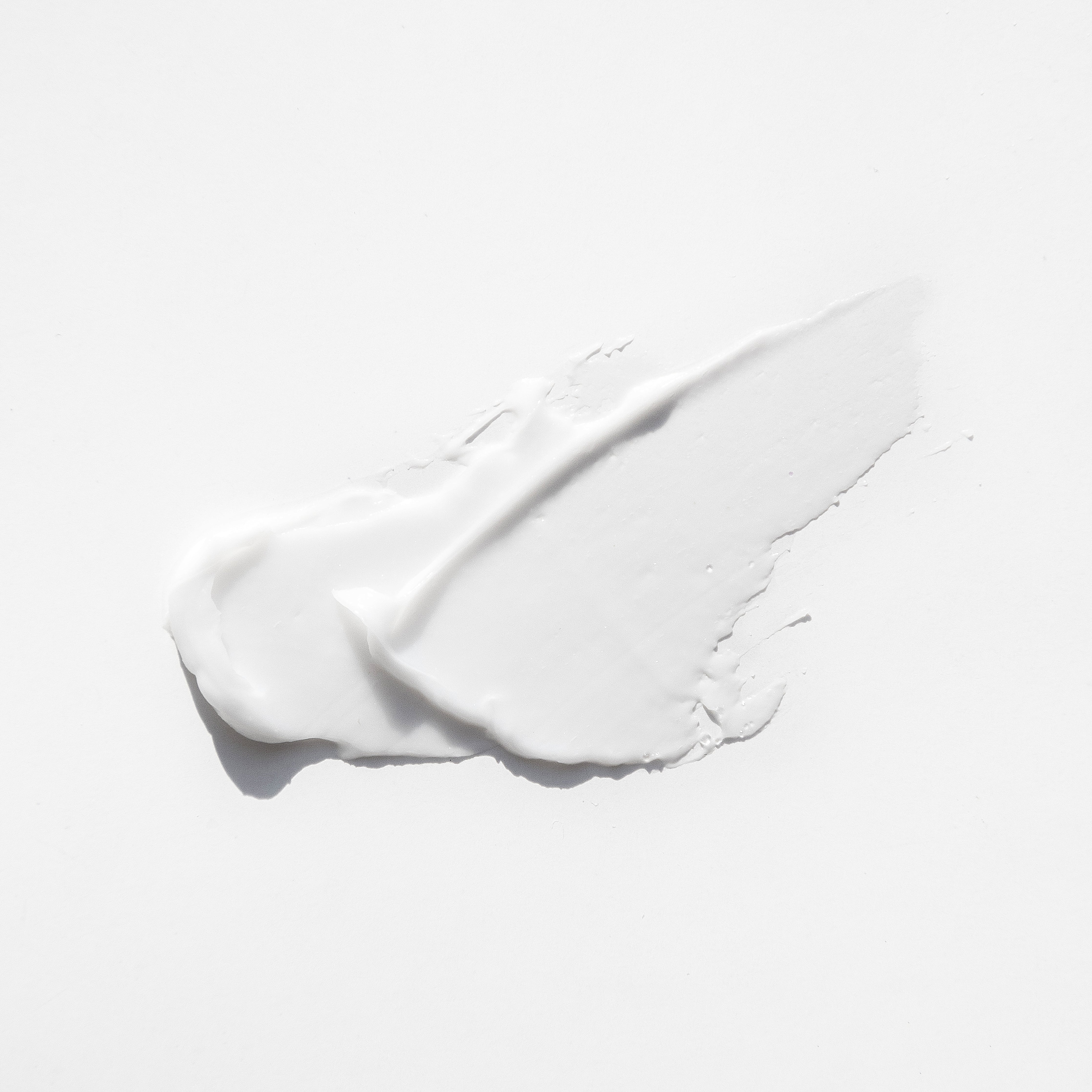
- Enhances Texture: This polymer is a master at creating smooth, silky, and non-greasy textures. It allows creams and lotions to glide effortlessly onto the skin and absorb quickly without leaving a sticky or heavy feeling.
- Stabilizes Formulations: Many advanced skincare products are emulsions, containing both oil and water-based ingredients. This copolymer acts as a stabilizer, preventing these ingredients from separating and ensuring the formula remains uniform and effective from the first use to the last.
How Its Used in Nuebiome Products
At Nuebiome, we harness the power of acrylamide/sodium acryloyldimethyltaurate copolymer in skincare to achieve the perfect texture in our targeted treatments. It allows us to create luxurious, fast-absorbing formulas without compromising stability. You can experience its elegant textural benefits in our Biotic Relief Deep Hand Treatment, where it helps deliver rich hydration in a lightweight, non-greasy cream.
Frequently Asked Questions about Acrylamide/Sodium Acryloyldimethyltaurate Copolymer
Is ammonium acryloyldimethyltaurate bad for skin?
No, it is not considered bad for the skin. It is a different but related synthetic polymer that also functions as a thickener and stabilizer. It has a long history of safe use in cosmetics and is known to be non-irritating and non-sensitizing for most skin types.
Is sodium Acrylates Copolymer safe for skin?
Yes, Sodium Acrylates Copolymer is considered safe for use in skincare. This ingredient is another type of polymer that works as a thickening agent, texture enhancer, and film-former. Cosmetic safety review boards have assessed it as safe for its intended purpose in cosmetic formulations.
What is acrylamide sodium acryloyldimethyltaurate copolymer?
It is a synthetic polymer that works behind the scenes as a texture enhancer and stabilizer in cosmetic products. Its primary job is to thicken formulas, keep oil and water ingredients from separating, and create the smooth, silky feel characteristic of high-end lotions, gels, and creams.
Is sodium acryloyldimethyl taurate copolymer safe for skin?
Yes, this polymer is considered very safe for skin. Concerns about its name often stem from the "acrylamide" monomer. However, the final polymer used in cosmetics is a large, stable molecule that does not penetrate the skin. The amount of residual monomer is strictly regulated to negligible, safe levels, making the ingredient safe for topical use.