







Cetearyl Alcohol
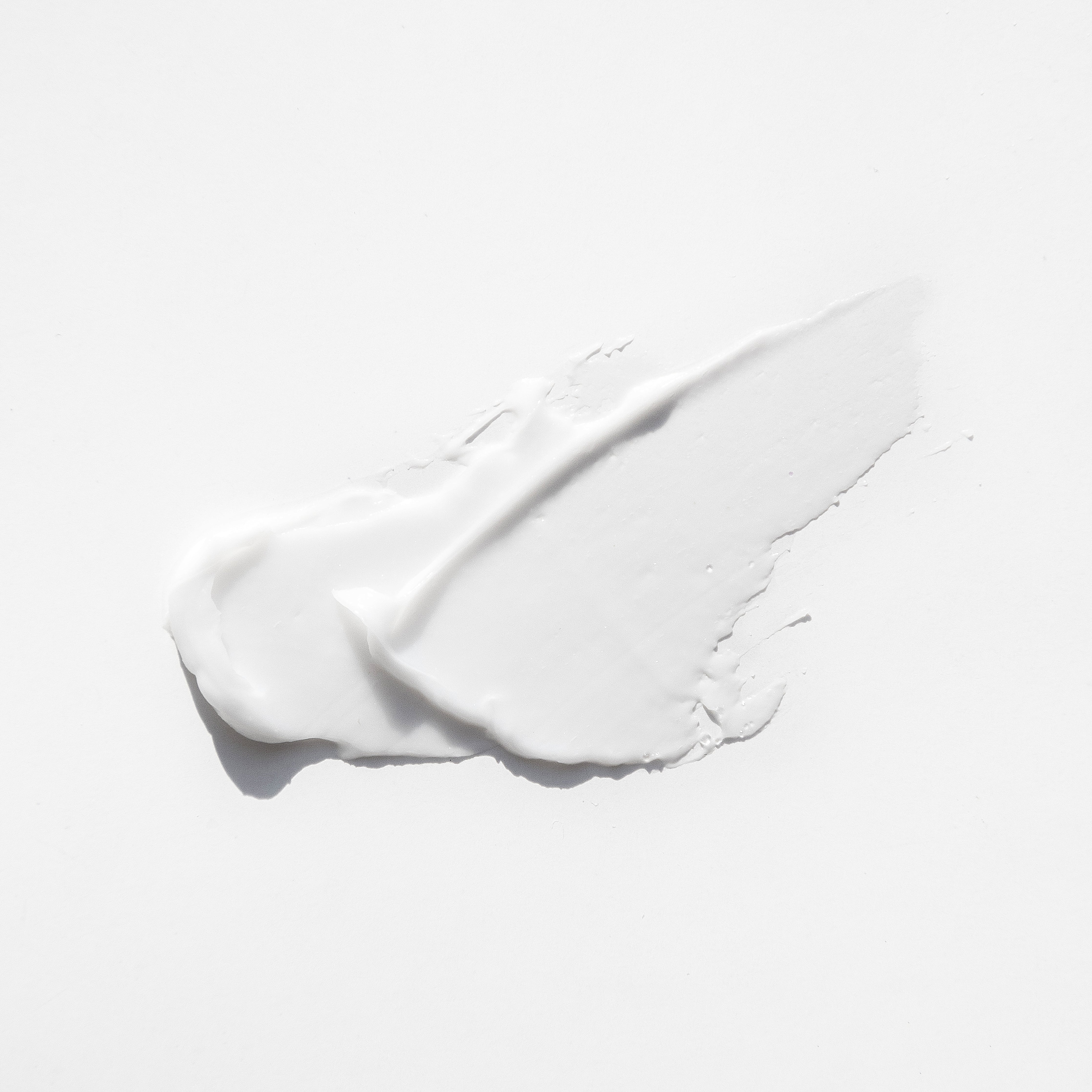
Often misunderstood due to the word "alcohol," Cetearyl Alcohol is nothing like the drying, astringent alcohols you might be thinking of. Instead, it is a gentle, wax-like fatty alcohol that acts as a powerful emollient, emulsifier, and thickener. It is essential for creating the luxuriously creamy textures of your favorite moisturizers and lotions while also softening and conditioning the skin.
Natural Science
Cetearyl Alcohol is not a single compound but a mixture of two other fatty alcohols: cetyl alcohol and stearyl alcohol. These are derived from natural sources, most commonly vegetable oils like coconut or palm oil (from the plant Elaeis guineensis). Unlike simple alcohols like ethanol, which can be drying, fatty alcohols have a long oil-loving (lipophilic) tail that makes them excellent skin conditioners.
In its raw form, it appears as white, waxy flakes or pellets. When warmed and incorporated into a formula, it helps to bind the water and oil components together. This process, called emulsification, is critical for the stability and consistency of creams and lotions, preventing them from separating over time. This answers the common question of what is cetearyl alcohol in skin care; it's a multi-functional workhorse.
Benefits of Cetearyl Alcohol in Skincare
The primary cetearyl alcohol benefits for skin stem from its multi-functional role as both a textural component and a conditioning agent. It helps create elegant, stable formulations that feel wonderful on the skin and support a healthy moisture barrier. It is exceptionally well-tolerated, even by those with sensitive skin.
- Effective Emulsifier: It prevents the separation of oil and water-based ingredients. This ensures that your product remains smooth, uniform, and effective from the first use to the last, providing a consistent application every time.
- Softening Emollient: As a fatty alcohol, it imparts a softening and smoothing effect on the skin's surface. It forms a lightweight, non-greasy barrier that helps to lock in moisture, reducing transepidermal water loss (TEWL) and leaving skin feeling supple.
- Texture Enhancer: Cetearyl Alcohol is a key reason why high-end creams and lotions have that rich, velvety feel. It adds body and viscosity to formulas without feeling heavy or waxy, contributing to a more luxurious sensory experience.
- Formula Stabilizer: It also functions as a co-emulsifier and thickener, supporting the overall structure of the product. This ensures that the active ingredients are evenly distributed throughout the formula for optimal performance.
How Its Used in Nuebiome Products
At Nuebiome, we utilize Cetearyl Alcohol for its superior emulsifying and skin-softening properties to create sophisticated, high-performance formulas. Its ability to create a stable, creamy base allows our biome-balancing actives to be delivered effectively. You can experience its benefits in our Biotic Radiance-Boosting Hydrator, Biotic Relief Deep Hand Treatment and Amaretto and Biotic Hand Remedy.
Research
Scientific literature underscores the functional importance of fatty alcohols like cetearyl alcohol in dermatological and cosmetic formulations. Studies demonstrate their critical role in forming stable oil-in-water emulsions, which directly influences the skin permeation and efficacy of active ingredients, such as sunscreens. Moreover, research suggests that the inclusion of these ingredients in topical products can contribute to gentler formulations, potentially reducing the irritation associated with certain active compounds and improving overall skin tolerance.
Frequently Asked Questions about Cetearyl Alcohol
Is cetearyl alcohol good for your skin?Yes, it is very good for the skin. It functions as an emollient, which means it helps to soften, smooth, and condition the skin's surface. It also helps reinforce the skin's natural moisture barrier to prevent dehydration, making it a beneficial ingredient for most skin types, including dry and sensitive skin.
Is cetearyl alcohol okay in skincare?Absolutely. Cetearyl alcohol is one of the most common, safe, and effective ingredients used in the cosmetics industry. It has been thoroughly reviewed by regulatory bodies like the Cosmetic Ingredient Review (CIR) Expert Panel, which deemed it safe for use in skincare products. The answer to is cetearyl alcohol safe is a confident yes.
Is cetearyl alcohol a hormone disruptor?No, there is no credible scientific evidence to suggest that cetearyl alcohol is a hormone disruptor. This concern often arises from misinformation and confusion with other, chemically distinct compounds. Global regulatory agencies consider it safe for its intended use in cosmetics.
Is cetearyl alcohol a pore clogging ingredient?Cetearyl alcohol has a low comedogenic rating, meaning it is unlikely to clog pores for most people. While every individual's skin reacts differently, it is not generally considered a problematic ingredient for those prone to acne. Its benefits as a stabilizer and emollient typically outweigh any minimal risk.
Cetearyl Alcohol References
In vitro skin permeation of sunscreen agents from O/W emulsions.. Int J Cosmet Sci, Feb 2008
An alkylpolyglucoside surfactant as a prospective pharmaceutical excipient for topical formulations: the influence of oil polarity on the colloidal structure and hydrocortisone in vitro/in vivo permeation.. Eur J Pharm Sci, Apr 2007
Reduced burning and stinging associated with topical application of lactic acid 10% with strontium versus ammonium lactate 12%.. Cutis, May 2013