







Coco-Caprylate/Caprate
Coco-Caprylate/Caprate is a plant-derived ester that serves as a superior emollient in skincare. Valued for its exceptionally light and silky feel, it is a natural and sustainable alternative to synthetic silicones, helping to moisturize the skin and enhance product texture without any greasy residue.
Natural Science
Derived from renewable natural sources, Coco-Caprylate/Caprate begins its journey with coconut alcohol, sourced from the fruit of the Cocos nucifera palm. This alcohol is then esterified with a specific blend of fatty acids (caprylic and capric acid), which are also derived from coconut or palm kernel oil.
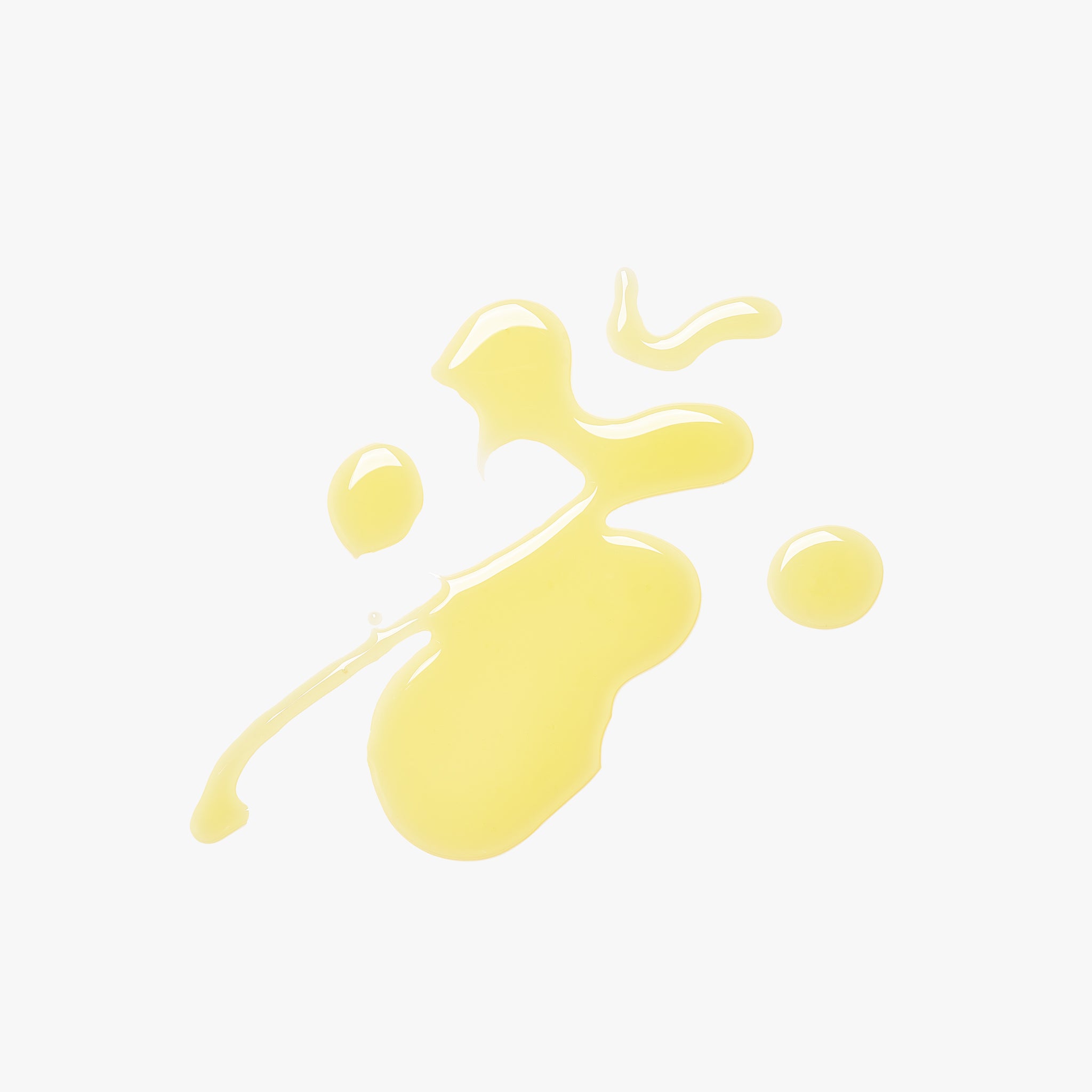
This precise chemical process transforms the source oils into a completely new, lightweight molecule. The result is a clear, odorless liquid ester with a fast-spreading, non-oily feel. Its unique structure is key to its cosmetic elegance and performance.
A common question is, is coco caprylate caprate a silicone? The answer is no. It is a plant-based ester, not a synthetic polymer like dimethicone. However, its ability to create a smooth, gliding sensation on the skin makes it an excellent and popular biodegradable alternative to silicones in modern, clean formulations.
Benefits of Coco-Caprylate/Caprate in Skincare
The primary role of coco caprylate caprate for skin is to act as a fast-absorbing emollient that softens and smooths while improving the sensory experience of a formula. It provides a touch of luxury and enhances the performance of other ingredients, making it a versatile and valuable component in high-end skincare.
- Lightweight Moisturization: As an emollient, it forms a very thin, breathable film on the skin's surface. This protective barrier helps prevent transepidermal water loss (TEWL), locking in hydration to keep skin feeling soft, supple, and comfortable without a heavy or occlusive feel.
- Enhanced Sensory Feel: This ingredient is prized for its ability to give products a silky, elegant texture. It improves the spreadability of creams, lotions, and oils, allowing them to glide effortlessly across the skin for even application and a luxurious, powdery-soft finish.
- Non-Comedogenic Nature: When considering the coco caprylate caprate comedogenic profile, it is widely regarded as having a very low potential to clog pores. Its lightweight structure makes it a suitable emollient for all skin types, including those prone to congestion or acne.
- Excellent Solvent: It is also an effective solvent, helping to dissolve and stabilize other active ingredients and UV filters within a formula. This ensures better delivery and a more uniform application, boosting the overall efficacy of the product.
Research
Recent scientific investigations highlight the importance of formulation texture and microbiome interactions in modern skincare. Studies have utilized advanced methods to create aesthetically pleasing, "sensorial" emulsions, a field where emollients like Coco-Caprylate/Caprate are crucial for achieving a desired skin feel. Concurrently, other research is exploring how common cosmetic ingredients can act as prebiotics. This points to an evolving understanding where every component in a formula, including emollients, may play a role in supporting a healthy skin ecosystem.
How Its Used in Nuebiome Products
At Nuebiome, we select ingredients that deliver both high performance and a beautiful sensory experience. We utilize Coco-Caprylate/Caprate for its exceptional ability to create lightweight, fast-absorbing textures that leave the skin feeling velvety soft and nourished. It helps ensure our formulas deliver active ingredients effectively while providing a moment of daily luxury. You can experience its silky touch in our Skin Soothing Face Oil.
Frequently Asked Questions about Coco-Caprylate/Caprate
Is coco Caprylate Caprate good for skin?
Yes, it is excellent for the skin. It acts as a lightweight, non-greasy emollient that softens, smooths, and helps lock in moisture. It is well-tolerated by most skin types and provides a silky, elegant feel to cosmetic products.
What is Coco Caprylate Caprate used for?
It is primarily used in skincare and haircare as an emollient to condition and soften, a texture-enhancer to improve the feel and spreadability of a product, and as a natural, biodegradable alternative to silicones for a smooth, non-greasy finish.
Is coco Caprylate Caprate the same as coconut oil?
No, they are very different. When comparing coco caprylate caprate vs coconut oil, the key is the molecular structure. Coco-Caprylate/Caprate is a lightweight ester derived from coconut oil, but it has been processed to be much lighter, non-greasy, and far less likely to clog pores than raw coconut oil, which can be heavy and comedogenic for some individuals.
Coco-Caprylate/Caprate References
Minimalist, bioinspired and sensorial emulsion based on a Ca(2+) double cone vector system using Design of Experiment (DoE).. Int J Cosmet Sci, Jun 2026
Repurposing INCI-registered compounds as skin prebiotics for probiotic Staphylococcus epidermidis against UV-B.. Sci Rep, Dec 2020