







Glyceryl Oleate
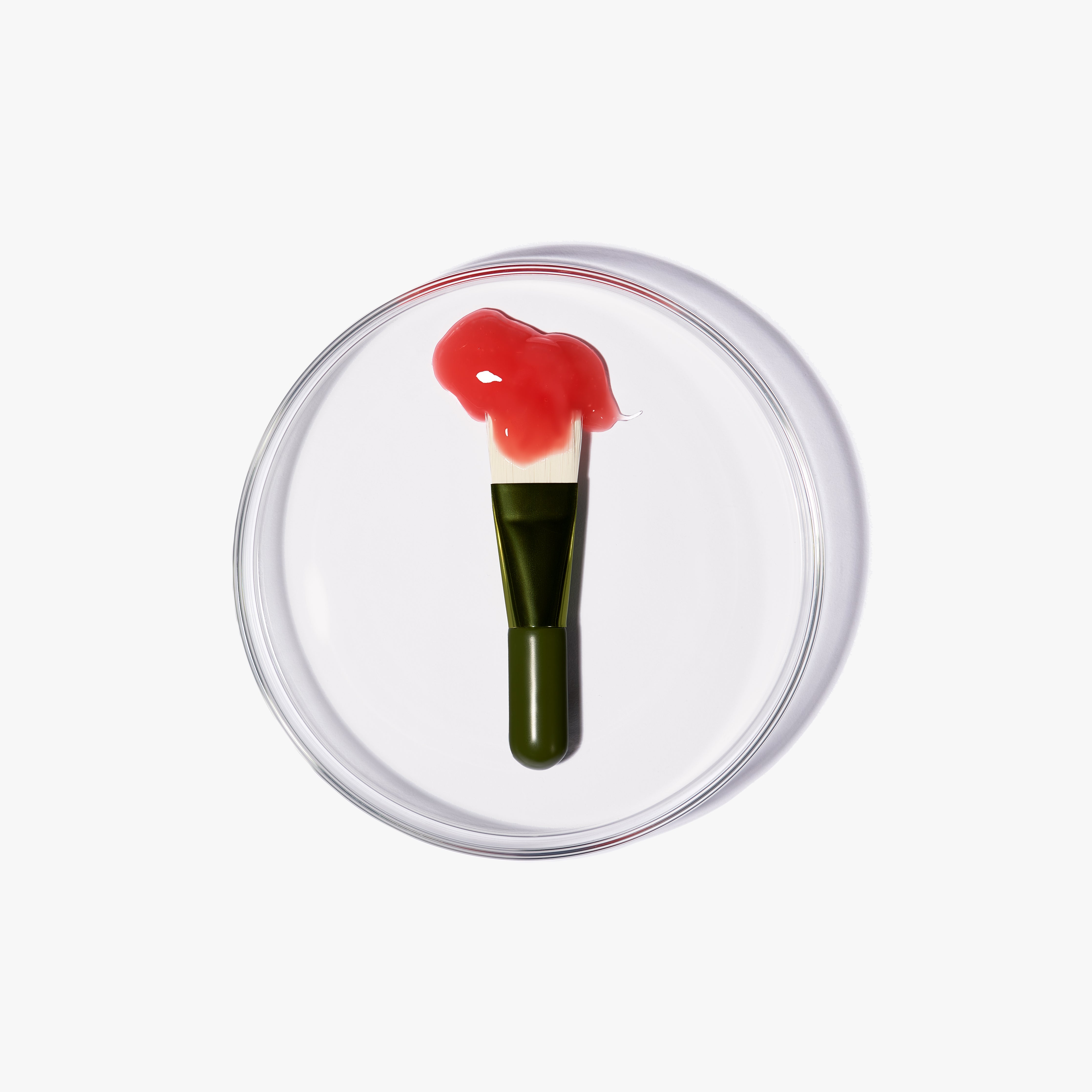
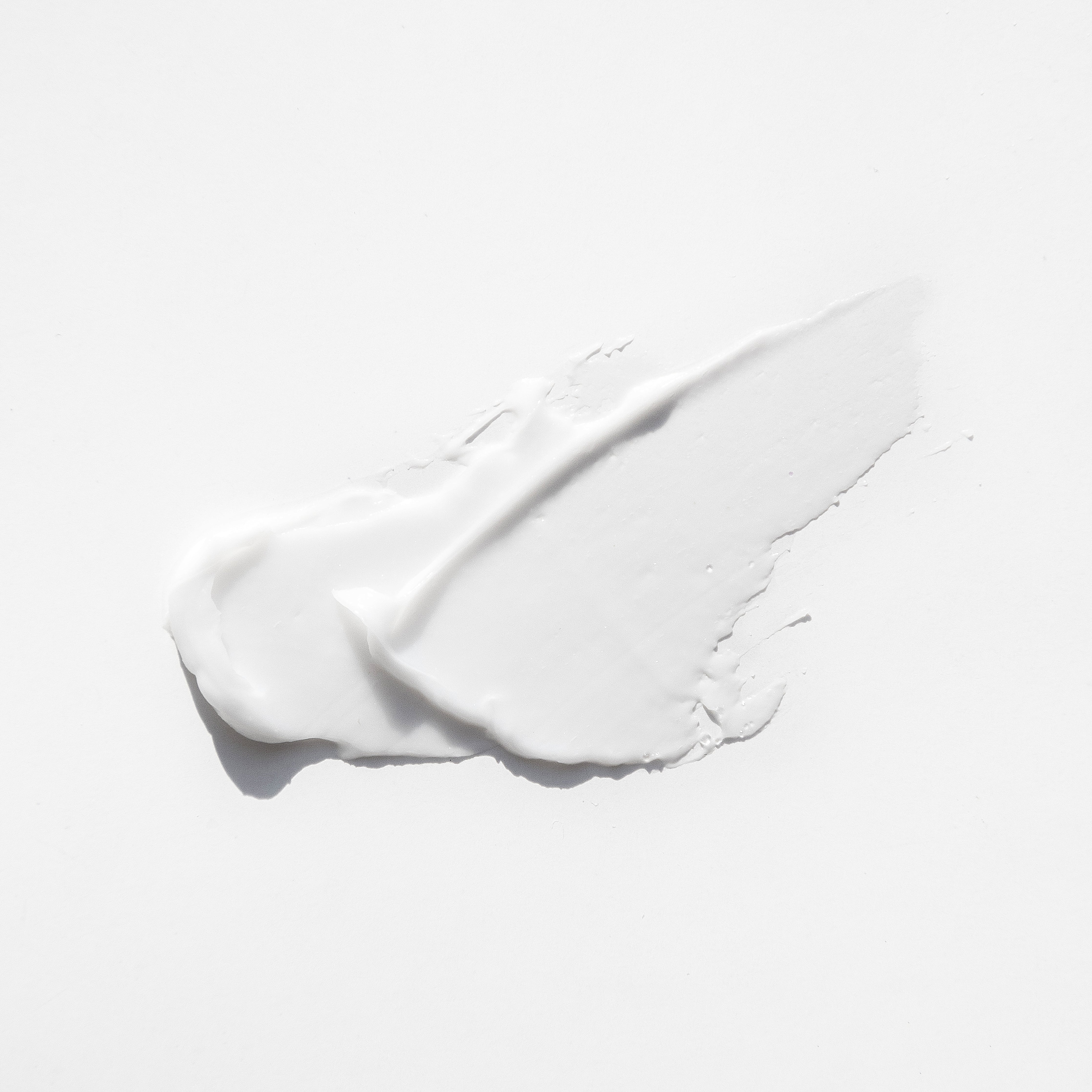
Glyceryl Oleate is a versatile, skin-loving ingredient derived from natural sources. It functions primarily as an emollient and emulsifier in skincare formulations. Esteemed for its ability to soften the skin and stabilize product textures, it helps create the luxurious, creamy feel you love while delivering tangible conditioning benefits.
Natural Science
Scientifically, Glyceryl Oleate is the monoester of glycerin and oleic acid. Oleic acid is a naturally occurring omega-9 fatty acid found abundantly in oils like olive oil and sunflower oil. This composition answers the common question, is glyceryl oleate natural? Yes, it is derived from vegetable oils and plant-based glycerin.
As an emulsifier, it possesses a unique molecular structure that is attracted to both water and oil. This allows it to hold these otherwise unmixable components together, preventing separation and ensuring a smooth, consistent product from the first drop to the last.
Benefits of Glyceryl Oleate in Skincare
Understanding what is glyceryl oleate in skin care reveals its multi-functional role in promoting a healthy, hydrated complexion. Its primary purpose is to condition and protect the skin barrier. The key glyceryl oleate skin benefits include enhancing moisture, improving product texture, and replenishing the skin's natural oils for a soft, comfortable feel.
- Superior Emollient: Glyceryl Oleate forms a light, non-greasy protective layer on the skin's surface. This barrier helps to lock in moisture and reduce transepidermal water loss (TEWL), leaving the skin feeling exceptionally soft, smooth, and supple without a heavy feel.
- Effective Refatting Agent: During cleansing, some of the skin's natural protective lipids can be washed away. Glyceryl Oleate acts as a refatting agent, depositing back onto the skin to replenish these essential lipids. This prevents the tight, dry feeling often associated with cleansing, ensuring skin remains balanced and comfortable.
- Texture Enhancer & Stabilizer: In formulations, it is a brilliant co-emulsifier that helps create stable, creamy emulsions. This not only improves the cosmetic elegance and feel of a product but also ensures that key ingredients are evenly distributed for consistent performance with every use. Its conditioning properties are also valued in hair care, showing its versatility as an agent known as glyceryl oleate for hair and skin.
How Its Used in Nuebiome Products
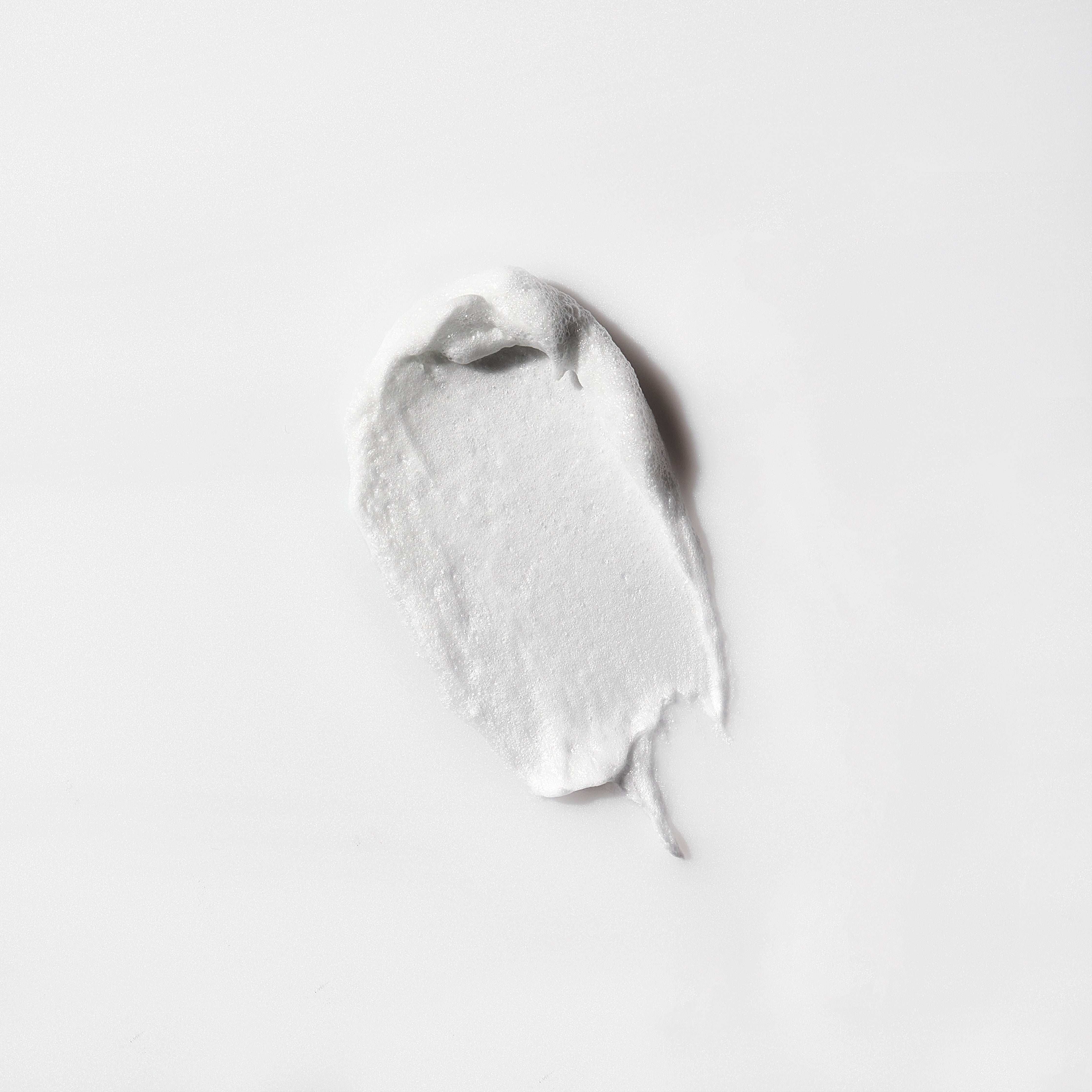
At Nuebiome, we harness the gentle, restorative power of Glyceryl Oleate to enhance our formulations. Its ability to cleanse without stripping the skin makes it a perfect fit for our philosophy. You can experience its softening and conditioning properties in our Biome Balancing Creamy Cleanser, where it helps to melt away impurities while leaving the skin's delicate moisture barrier intact.
Research
The safety and efficacy of Glyceryl Oleate are well-documented. A comprehensive report by the Cosmetic Ingredient Review (CIR) Expert Panel assessed a large group of related glyceryl esters and concluded that Glyceryl Oleate is safe for use in cosmetic products. Further scientific studies highlight its role in advanced delivery systems. Research has shown that it can be used to form microemulsions that enhance the skin penetration and bioavailability of other active ingredients, such as sunscreens, thereby improving overall formulation effectiveness.
Frequently Asked Questions about Glyceryl Oleate
Is glyceryl oleate safe for skin?
Yes, Glyceryl Oleate is considered very safe for skin. The Cosmetic Ingredient Review (CIR) Expert Panel has evaluated the scientific data and concluded that it is safe for use in cosmetic and personal care products. It is known for being gentle and non-irritating.
What ingredients should I stay away from in skin care?
While this can be personal, many people choose to avoid harsh surfactants like Sodium Lauryl Sulfate (SLS), certain types of alcohol that can be drying, and synthetic fragrances if they have sensitive skin. At Nuebiome, we formulate without these, focusing on biocompatible ingredients that respect and support the skin's natural microbiome.
What does glyceryl oleate do?
Glyceryl Oleate serves three main functions in skincare. It is an emollient that softens and smooths the skin, an emulsifier that helps blend oil and water to create a stable, creamy texture, and a refatting agent that replenishes skin lipids during cleansing to prevent dryness.
Is polyglyceryl Oleate safe?
Yes, Polyglyceryl Oleate is also considered safe for use in skincare. It belongs to a larger family of ingredients derived from glycerin and oleic acid. Like Glyceryl Oleate, it has been reviewed for safety by the CIR and is approved for use in cosmetic formulations, often serving similar functions as an emulsifier and skin-conditioning agent.
Glyceryl Oleate References
Final report of the amended safety assessment of Glyceryl Laurate, Glyceryl Laurate SE, Glyceryl Laurate/Oleate, Glyceryl Adipate, Glyceryl Alginate, Glyceryl Arachidate, Glyceryl Arachidonate, Glyceryl Behenate, Glyceryl Caprate, Glyceryl Caprylate, Glyceryl Caprylate/Caprate, Glyceryl Citrate/Lactate/Linoleate/Oleate, Glyceryl Cocoate, Glyceryl Collagenate, Glyceryl Erucate, Glyceryl Hydrogenated Rosinate, Glyceryl Hydrogenated Soyate, Glyceryl Hydroxystearate, Glyceryl Isopalmitate, Glyceryl Isostearate, Glyceryl Isostearate/Myristate, Glyceryl Isostearates, Glyceryl Lanolate, Glyceryl Linoleate, Glyceryl Linolenate, Glyceryl Montanate, Glyceryl Myristate, Glyceryl Isotridecanoate/Stearate/Adipate, Glyceryl Oleate SE, Glyceryl Oleate/Elaidate, Glyceryl Palmitate, Glyceryl Palmitate/Stearate, Glyceryl Palmitoleate, Glyceryl Pentadecanoate, Glyceryl Polyacrylate, Glyceryl Rosinate, Glyceryl Sesquioleate, Glyceryl/Sorbitol Oleate/Hydroxystearate, Glyceryl Stearate/Acetate, Glyceryl Stearate/Maleate, Glyceryl Tallowate, Glyceryl Thiopropionate, and Glyceryl Undecylenate.. Int J Toxicol, 2004
New microemulsion vehicle facilitates percutaneous penetration in vitro and cutaneous drug bioavailability in vivo.. J Control Release, Mar 2004
Vehicle effects on in vitro release and skin permeation of octylmethoxycinnamate from microemulsions.. Int J Pharm, Feb 2011