







Glycol Distearate
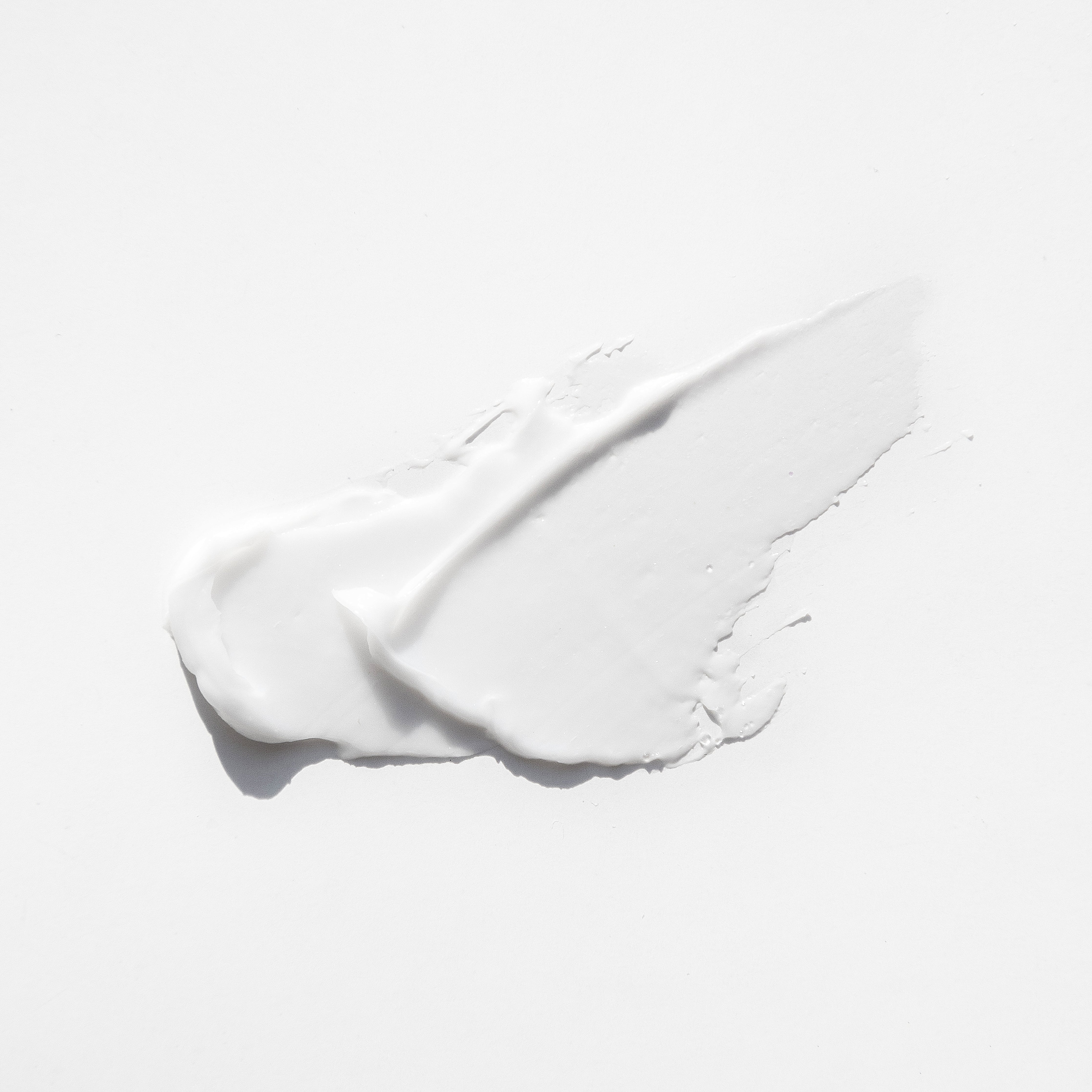
Glycol Distearate is a versatile ingredient prized in the cosmetics industry for its ability to enhance the texture and appearance of skincare products. This waxy solid is primarily used as an opacifying and pearlescing agent, giving lotions, creams, and cleansers a rich, luxurious, and shimmery appearance that signals a creamy, moisturizing formula.
Natural Science
Scientifically, Glycol Distearate is the diester of ethylene glycol and stearic acid. Stearic acid is a common fatty acid that can be derived from vegetable sources like palm or soybean oil. In its raw form, it appears as white or cream-colored waxy flakes. When added to a formula and heated, it dissolves and then recrystallizes upon cooling into tiny crystals that reflect light.
This recrystallization process is what creates the desirable pearlescent effect. Beyond its visual appeal, Glycol Distearate also functions as a thickener and emulsion stabilizer. It helps to keep the oil and water components of a formula from separating, ensuring a smooth, consistent product from the first use to the last.
Benefits of Glycol Distearate in Skincare
While primarily a textural ingredient, Glycol Distearate offers several functional benefits that improve both the product experience and skin feel. It contributes to a formula's stability and provides emollient properties, leaving skin feeling soft and conditioned without a greasy residue.
- Aesthetic Enhancer: It imparts a beautiful pearly and opaque quality to products. This visual cue often signifies a rich, moisturizing formula, enhancing the perceived value and luxury of cleansers and creams.
- Emollient Properties: As a derivative of stearic acid, it has mild emollient capabilities. It helps to form a thin, non-greasy film on the skin's surface, which can help reduce moisture loss and leave the skin feeling softer and smoother after cleansing.
- Formulation Stabilizer: It acts as a co-emulsifier and thickener, increasing the viscosity of formulas. This helps to create a stable, creamy texture and prevents the oil and water phases of the product from separating over time.
How Its Used in Nuebiome Products
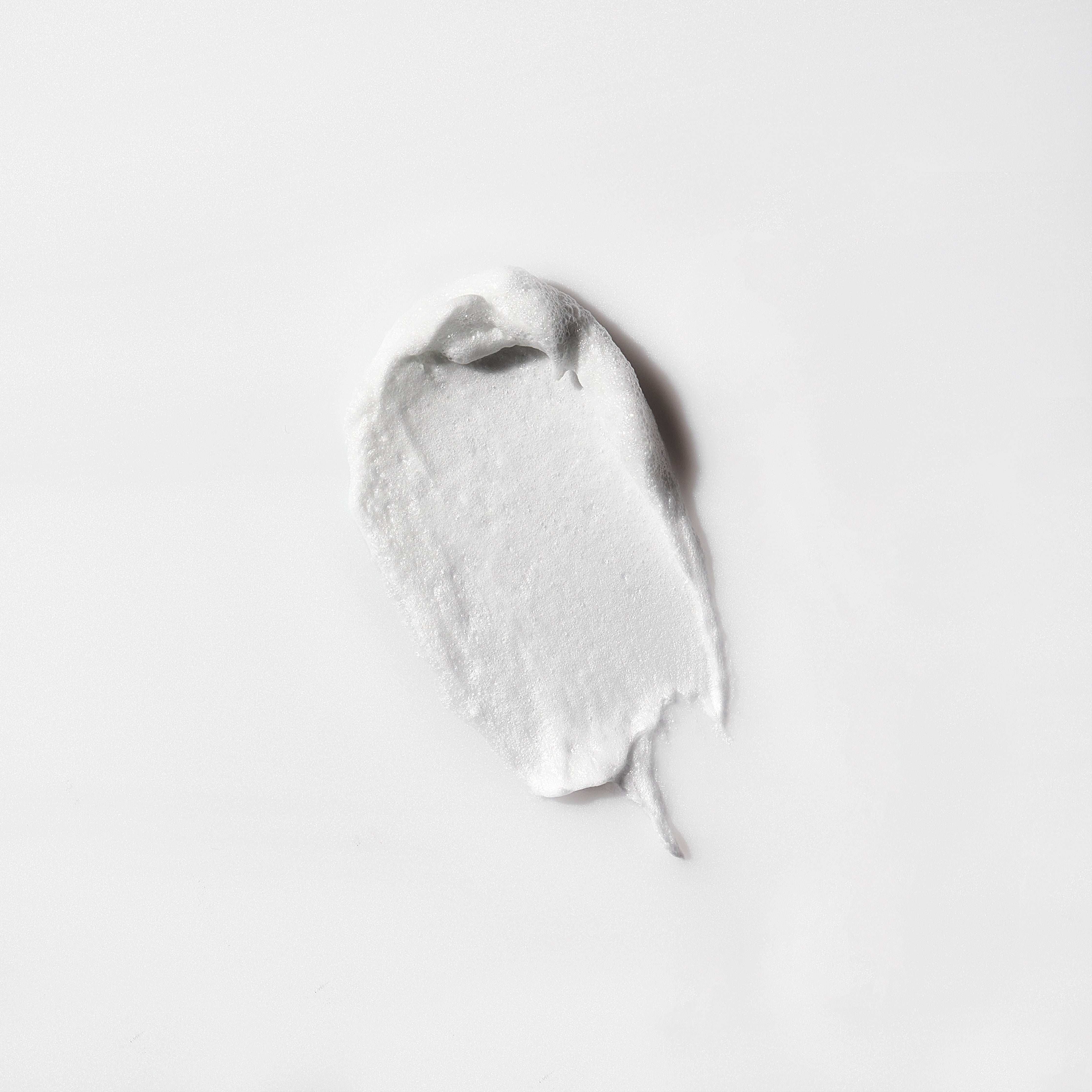
At Nuebiome, we utilize Glycol Distearate to create an elegant and effective cleansing experience. Its ability to produce a creamy, pearlescent lather makes it a key component in our Biome Balancing Creamy Cleanser, helping to deliver a gentle, moisturizing wash that leaves skin feeling soft and refreshed.
Research
The provided research article focuses on laboratory techniques for viewing the internal structures of cells using electron microscopy. This study on cellular frameworks does not investigate or provide findings on the topical application, safety, or efficacy of Glycol Distearate in skincare, dermatology, or cosmetic science. Its focus remains strictly within the field of cell biology methodology.
Frequently Asked Questions about Glycol Distearate
What ingredients should I stay away from in skin care?
This is highly personal. Instead of a universal "bad" list, focus on what irritates your specific skin type. Common culprits for sensitive individuals can include synthetic fragrances, denatured alcohol, and certain essential oils. Always patch-test a new product before applying it to your entire face.
What happens if glycol gets on your skin?
The term "glycol" refers to a family of ingredients. In skincare, glycols like propylene glycol or butylene glycol are used in controlled, low concentrations and are safe for skin contact. They act as humectants and solvents. Pure, undiluted industrial glycols could be irritating, but they are not used in cosmetic products.
Is glycol safe on skin?
Yes. Glycols used in cosmetic formulations, including Glycol Distearate, have been assessed for safety by regulatory bodies like the Cosmetic Ingredient Review (CIR) Expert Panel and are considered safe for their intended use in skincare and beauty products.
Can I apply propylene glycol on my face?
Yes, you can. Propylene glycol is a very common ingredient in facial serums, moisturizers, and cleansers. It functions as a humectant, helping to draw moisture into the skin, and is widely considered safe and effective for use on the face when part of a finished cosmetic formula.
Glycol Distearate References
Resinless section immunogold electron microscopy of karyo-cytoskeletal frameworks of eukaryotic cells cultured in vitro. Absence of a salt-stable nuclear matrix from mouse plasmacytoma MPC-11 cells.. J Cell Sci, Jan 1991