








Phytic Acid
Often hailed as a gentle giant in the world of skincare acids, Phytic Acid is a plant-derived antioxidant and multitasking active. Sourced from the seeds and bran of plants like rice and oats, its primary function is to gently exfoliate, brighten, and protect the skin from environmental aggressors, making it a celebrated ingredient in advanced formulations.
Natural Science
Scientifically known as inositol hexaphosphate, Phytic Acid is a naturally occurring compound found in abundance in plant tissues. It acts as the main storage form of phosphorus in seeds. In skincare, its unique molecular structure allows it to perform as a powerful chelating agent.
This means it can bind to and neutralize metal ions like iron and copper on the skin's surface. These minerals, when exposed to UV radiation, can accelerate oxidative damage and contribute to the formation of dark spots. By sequestering them, Phytic Acid helps prevent this cascade, protecting skin health.
Benefits of Phytic Acid in Skincare
The diverse benefits of phytic acid in skincare stem from its unique ability to exfoliate, chelate, and protect. It promotes a clearer, brighter, and more even-toned complexion while providing antioxidant defense, making it a superior choice for those seeking visible results without irritation.
- Brightens and Evens Skin Tone: As a key part of any routine targeting discoloration, `phytic acid for skin brightening` works by inhibiting tyrosinase, the enzyme responsible for melanin production. Its chelating action on copper, a cofactor for this enzyme, helps fade hyperpigmentation, dark spots, and post-inflammatory marks.
- Gentle Exfoliation: Phytic Acid is a `gentle exfoliant for sensitive skin`. While it is a type of AHA, its larger molecule size means it penetrates the skin more slowly and less deeply than its counterparts. This provides effective surface renewal without the risk of irritation often associated with stronger acids.
- Potent Antioxidant: Beyond exfoliation, it is a formidable antioxidant. By neutralizing free radicals generated by pollution and UV exposure, it helps prevent premature aging, such as fine lines and loss of firmness, keeping skin resilient and youthful.
- Moisturizing Properties: Unlike some exfoliants that can be drying, Phytic Acid also helps the skin retain moisture. This dual action of renewal and hydration contributes to a soft, supple, and healthy-looking skin barrier.
How Its Used in Nuebiome Products
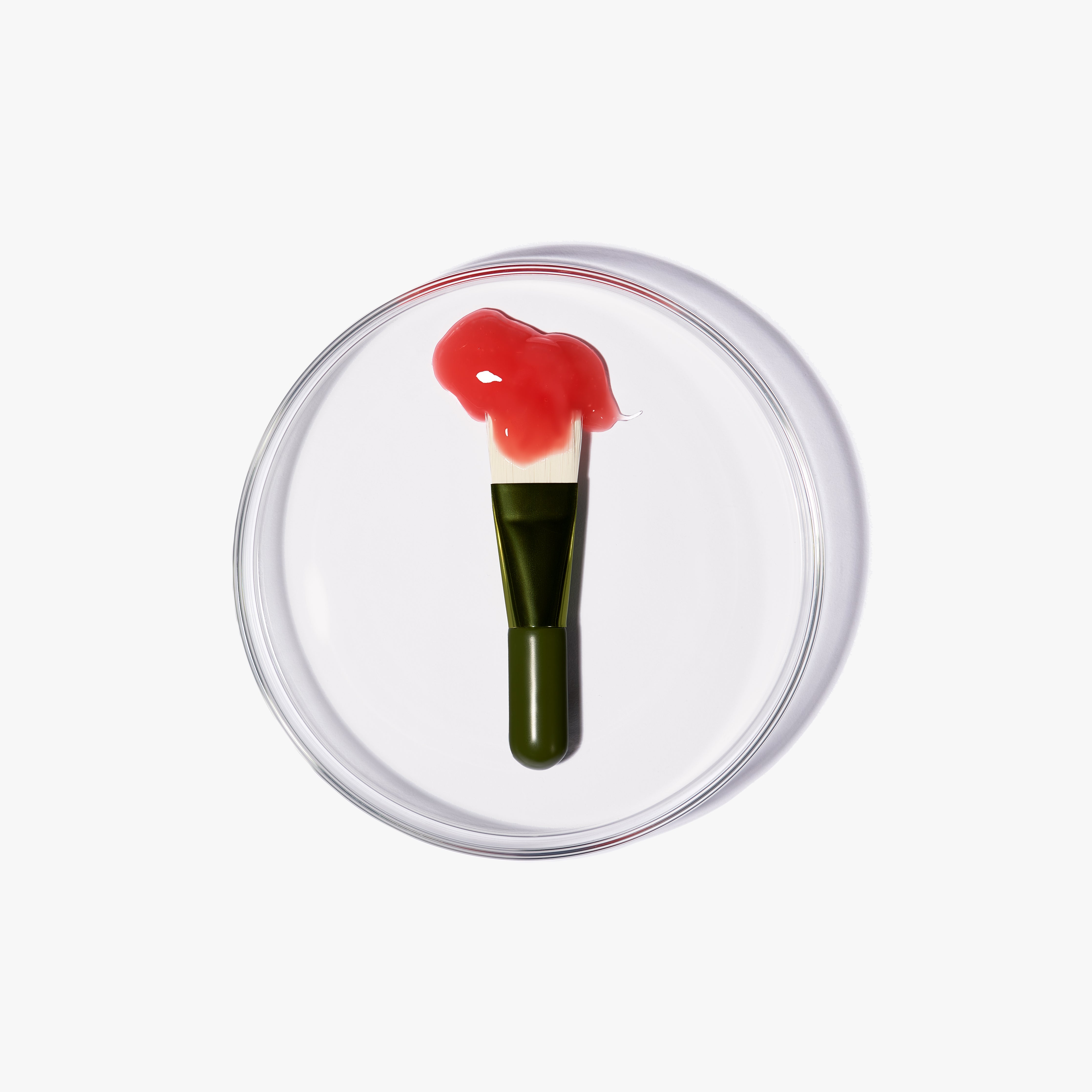
At Nuebiome, we harness the gentle power of Phytic Acid to enhance cellular turnover and boost luminosity. We have incorporated this intelligent active into our (Glyco-Biotic)™ Ultra-Synbiotic Face Mask to work in synergy with other bio-ferments, revealing a smoother and visibly brighter complexion.
Research
Scientific studies validate phytic acid's role as a sophisticated dermatological ingredient. A 2021 clinical evaluation published in the Journal of Cosmetic Dermatology found that a formulation containing phytic acid alongside glycolic acid significantly improved hyperpigmentation and overall skin luminosity. Further illuminating its mechanism, a 2025 study in Allergy revealed that phytic acid can improve skin barrier function in atopic dermatitis models by positively influencing the skin microbiota to produce beneficial compounds. This topical efficacy is consistent with the known health benefits of phytic acid-rich foods like flaxseed, confirming its value for both barrier support and targeted skin brightening.
Frequently Asked Questions about Phytic Acid
Is phytic acid good for your skin?
Yes, phytic acid is excellent for the skin. It offers a unique combination of gentle exfoliation, powerful antioxidant protection, and skin-brightening effects. It is well-tolerated by most skin types, including sensitive skin, making it a versatile and effective ingredient for achieving a clearer, more radiant complexion.
Is phytic acid an AHA or BHA?
Phytic acid is considered a type of alpha-hydroxy acid (AHA). However, when comparing `phytic acid vs glycolic acid` or other AHAs, its larger molecular structure sets it apart. This causes it to penetrate the skin more slowly, providing exfoliation with a significantly lower potential for irritation.
What are the only 4 ingredients that work in skincare?
This is a pervasive myth. There is no definitive list of "only 4" ingredients that work in skincare. While foundational ingredients like retinoids, vitamin C, broad-spectrum sunscreens, and hydroxy acids are well-proven, cosmetic science has validated hundreds of effective actives. Efficacy depends on proper formulation and targeting specific concerns, which is why a diverse range of ingredients, including phytic acid, peptides, and ceramides, are essential tools for achieving optimal skin health.
Phytic Acid References
The Role of Flaxseed in Improving Human Health.. Healthcare (Basel), Jan 2023
Phytic Acid Improves the Skin Barrier Function in Murine Models of Atopic Dermatitis Through Skin Microbiota-Derived Indole-3-Propionic Acid.. Allergy, Aug 2025
Effect of glycolic acid, phytic acid, soothing complex containing Emulsion on Hyperpigmentation and skin luminosity: A clinical evaluation.. J Cosmet Dermatol, Mar 2021