








The ritual of using rice water for skin and hair care, known as Yu-Su-Ru in Japan, is rooted in centuries of Asian beauty tradition. Recently, this ancient practice has gained new life on social media. Many praise it as a simple DIY path to achieving "glass skin"—a complexion that looks exceptionally smooth, luminous, and clear.
The appeal is easy to understand. A homemade solution that promises radiant skin feels natural and accessible. The popular method often involves soaking rice, collecting the cloudy water, and letting it sit at room temperature to ferment. This process is meant to create beneficial compounds for the skin. However, the core question is not whether rice water has benefits, but whether the DIY method can deliver them safely.
This guide will explore a safer way to use rice in your routine. We will explain the critical differences between a homemade mixture and a professionally formulated bio-ferment. This knowledge will help you pursue luminous skin without the hidden risks. You can also learn about a safer ritual for improving hair health.
How to Make a Simple Rice Water Rinse (The Safer Way)
To start, let’s focus on a method that captures some of the surface benefits of rice without the serious risks of uncontrolled fermentation. This simple rice water rinse is not a fermented, leave-on product. It is a temporary, rinse-off treatment intended for immediate use.
The benefits of this rinse come from the starches and minerals present in the rice. These can offer a temporary soothing sensation and a brighter appearance. This rinse must be made fresh each time and discarded immediately after use.
Here is a basic protocol for a single-use rinse:
Ingredients: * 1/2 cup uncooked rice (any kind will do) * 1 cup distilled water
Instructions: 1. Wash the Rice: Place the rice in a strainer and rinse it under cool water for about 30 seconds. This helps remove any surface dust or impurities. 2. Soak the Rice: Transfer the clean rice to a bowl. Pour the distilled water over it. Swirl the mixture gently until the water becomes cloudy. 3. Rest and Strain: Let the mixture sit for 30 minutes. Afterward, strain the milky water into a clean bowl. Discard the rice. 4. Use Immediately: Your rice water rinse is now ready. Apply it to your face with a cotton pad after cleansing, leave it on for 5–10 minutes, and then rinse it off thoroughly with lukewarm water.
This simple rinse is meant for immediate, one-time use. It should never be stored or left to sit out.
Fermentation vs. Spoilage: The Hidden Risks of DIY Fermented Rice Water
The idea behind fermenting rice water at home is to create beneficial acids and nutrients. However, there is a major difference between controlled fermentation in a sterile lab and uncontrolled fermentation on a kitchen counter. What happens in your kitchen is more accurately described as spoilage.
When you leave a mixture of starch and water at room temperature, you create an ideal environment for all kinds of microbes to grow. This includes harmful bacteria, yeast, and mold that you cannot see. Applying a contaminated mixture to your skin can lead to irritation, redness, and potential skin issues.
Another significant risk is pH imbalance.
- Skin’s Natural pH: Healthy skin has a naturally acidic surface, with a pH between 4.7 and 5.75. This "acid mantle" is a key part of your skin's moisture barrier, protecting it from environmental stressors.
- DIY Fermentation pH: The pH of homemade fermented rice water is unpredictable. It can easily become too acidic or too alkaline. A solution with the wrong pH can disrupt your skin’s delicate barrier, leading to dryness, tightness, and sensitivity.
- A Sign of Spoilage: Many believe the sour smell of old rice water is a sign of successful fermentation. In reality, that odor indicates spoilage and the growth of unwanted bacteria.
People with sensitive, reactive, or blemish-prone skin should be especially cautious. Their skin barriers may already be compromised, making them more vulnerable to the negative effects of a contaminated or pH-imbalanced DIY product.
Your Rice Water Questions, Answered
Let's clear up some common questions about using rice water for skin.
How do Koreans make rice water for skin? Traditionally, rice water was used as a simple rinse, similar to the method described above. However, modern Korean skincare has evolved far beyond this. Today, top brands use advanced bio-technology to create sophisticated formulas. They harness the power of fermented ingredients in safe, stable, and pH-balanced products developed in a lab, not a kitchen.
Is rice water good for face everyday? Using the simple, fresh rice water rinse daily might be too much for some skin types, as it can be slightly drying. Using a DIY fermented rice water daily is not recommended due to the high risk of irritation and contamination. For daily use, it is much safer to choose a professionally formulated essence designed to be gentle and effective.
Which rice water method is best for skin? This depends on your goal. * Simple Rice Rinse: Best for a temporary, gentle soothing and brightening effect. It is a low-risk, rinse-off treatment when made fresh. * Professional Bio-Ferment: Best for consistent, visible results without the risk. Lab-fermented products deliver concentrated nutrients in a safe, pH-balanced formula that supports long-term skin radiance.
How long should you leave rice water on your face? For the simple, homemade rinse, limit contact to 5–10 minutes before rinsing off completely. For a professional essence or toner, always follow the product’s directions. Most are lightweight, leave-on formulas designed to be absorbed by the skin.
The Professional Alternative: The Science of Bio-Fermented Skincare
At Nuebiome, we harness the power of fermentation through a precise, scientific process called bio-fermentation. In our sterile lab environment, we introduce specific microorganisms to natural ingredients. This controlled process breaks down complex molecules into smaller, skin-friendly compounds like postbiotics, enzymes, and amino acids.
This method enhances what is known as bioavailability, meaning the ingredients become easier for your skin to recognize and use. The result is a potent, stable, and perfectly pH-balanced formula that delivers benefits far beyond what a DIY mixture can offer. It’s the difference between a simple rinse and a high-performance skin treatment.
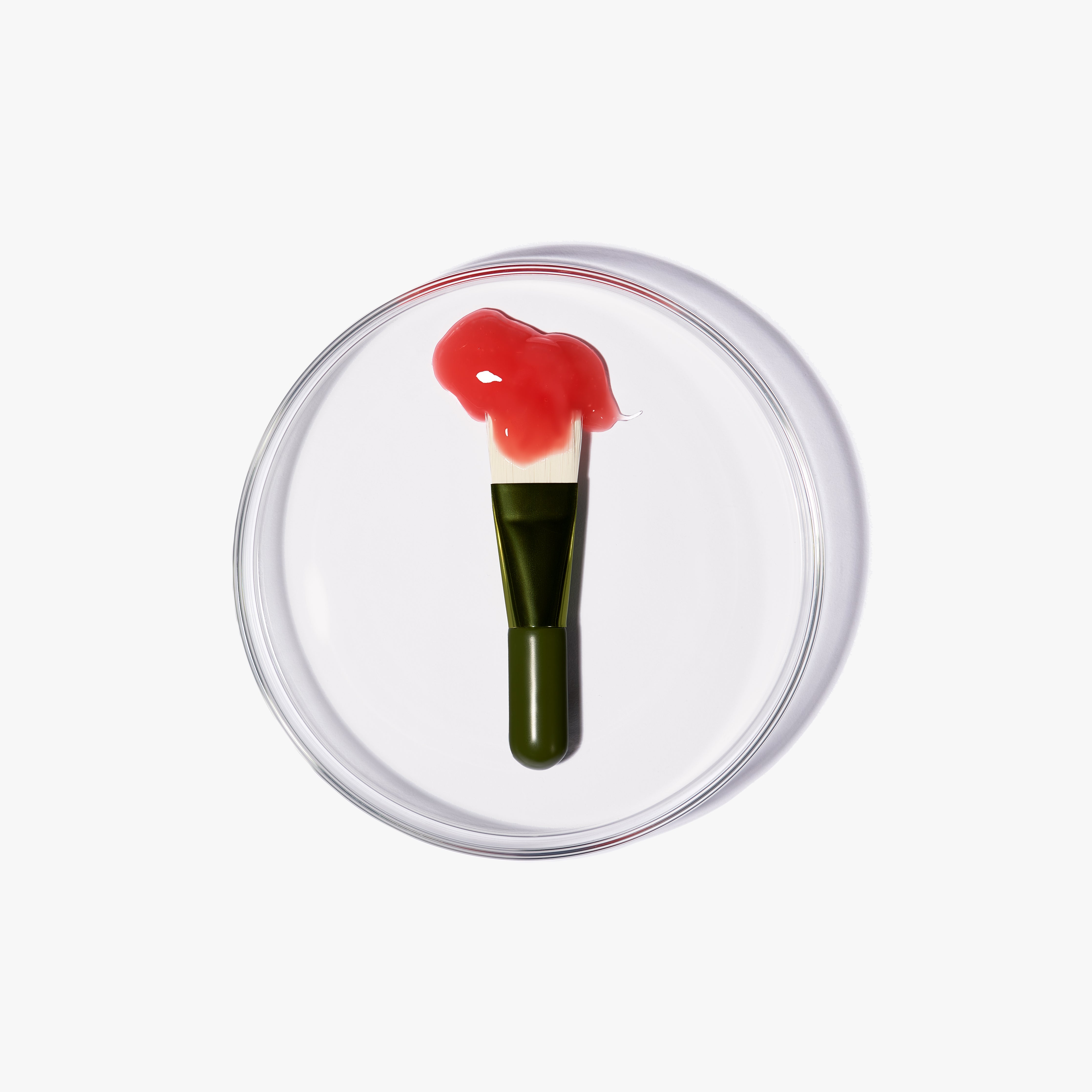
Our The Biotic Glow™ Ferment Essence is a perfect example of this science in action. This alcohol-free essence is designed to refine the look of pores and support a radiant complexion. It features Lactobacillus Ferment Lysate, a carefully created postbiotic that helps support a balanced skin microbiome, and Gluconolactone, a polyhydroxy acid (PHA) that gently encourages surface exfoliation for a smoother appearance. It’s one of the most effective ways to incorporate fermentation into your routine and part of our curated collection of powerful face essences and serums.

How to Get the 'Glass Skin' Glow Safely
Achieving a smooth, luminous complexion does not require risky kitchen experiments. A consistent routine with gentle, effective products can deliver the appearance of "glass skin" by supporting your skin's natural barrier and promoting radiance.
Here is a simple routine built around the science of bio-fermentation.
Step 1: Cleanse Gently Start with a cleanser that respects your skin’s microbiome. The Biome Balancing Creamy Cleanser, which has earned a "Gentle on Microbiome" badge, is a soap-free, pH-balanced formula that lifts away impurities without stripping moisture. It uses gentle cleansers like Coco-Glucoside and soothing Avena Sativa (Oat) Kernel Flour to leave skin feeling comfortable and clean. It also includes hydrating ingredients like plant-derived polysaccharides like dextrin.
Step 2: Balance and Prep After cleansing, press a few drops of The Biotic Glow™ Ferment Essence onto your face and neck. This watery essence absorbs quickly to hydrate, balance, and prepare your skin to better receive the products that follow.
Step 3: Hydrate and Nourish Follow the essence with a targeted moisturizer. A complete routine is the core of our Barrier Boost Moisture Rescue Set, which pairs the cleanser and essence with two hydrators. The Biotic Radiance-Boosting Hydrator is a silky moisturizer that uses innovative emulsifiers derived from rice bran esters to create a beautiful texture. For an extra layer of comfort, the Skin Soothing Face Oil uses Squalane and cold-pressed oils to lock in moisture. For an intensive weekly treatment, you can also incorporate our advanced ultra-synbiotic face mask.

This thoughtful routine delivers the brightening and smoothing benefits you seek, all while supporting your skin's long-term comfort and resilience.
Always remember to patch test any new product. If you have specific skin concerns, consult with a licensed professional, such as a dermatologist or esthetician.