
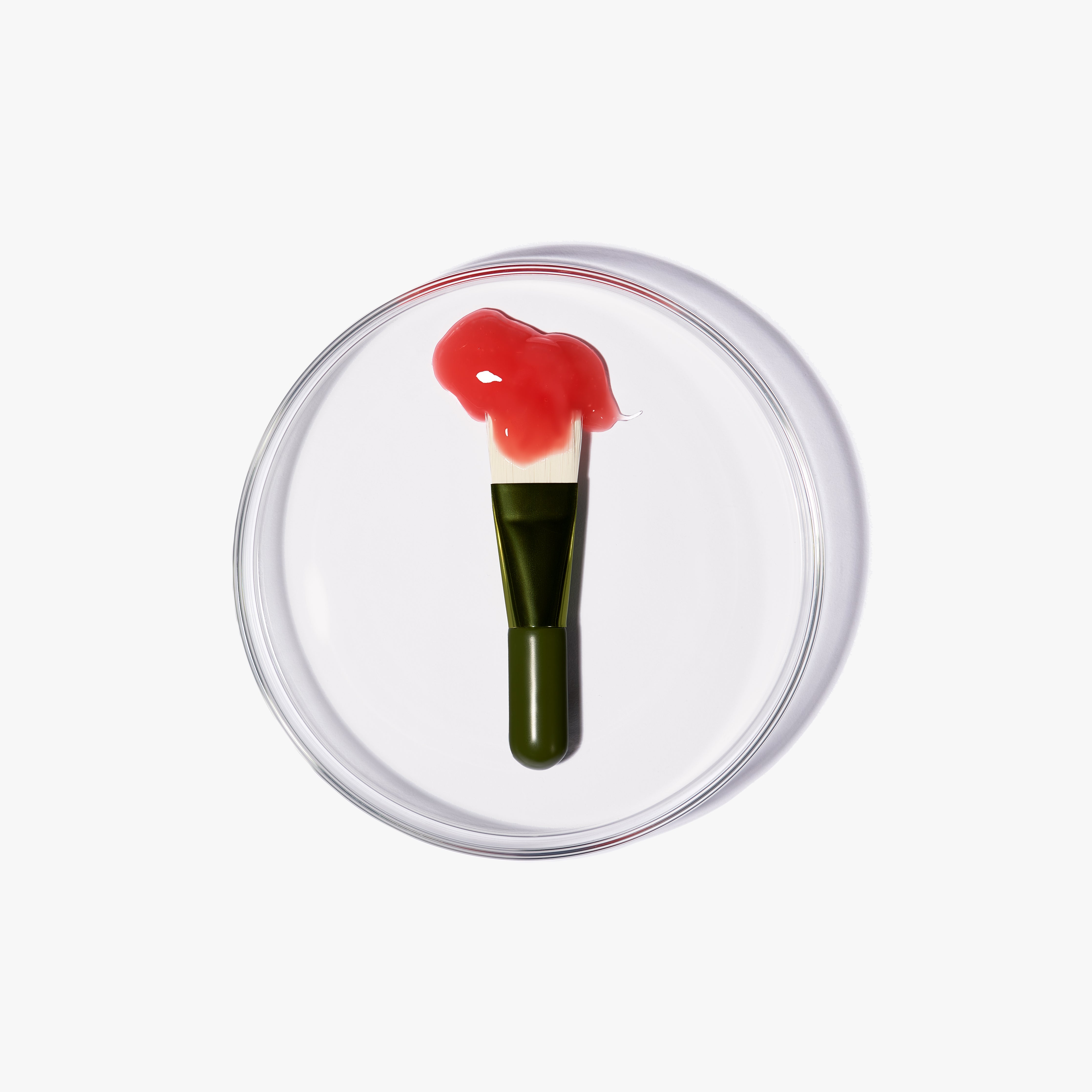








Tranexamic acid is a celebrated ingredient for anyone seeking a more even and luminous complexion. If you want to address the appearance of dark spots and other types of discoloration, this guide will show you how to use it for visible results. We will cover what it is, how it works, and how to build a supportive routine around it.
What is Tranexamic Acid and What Does It Do For Skin?
Tranexamic acid is a powerful skincare ingredient that helps improve the look of skin discoloration. It is a synthetic version of lysine, which is an amino acid—one of the building blocks of protein. It is highly regarded for its ability to promote a uniform and radiant skin tone.
This ingredient is especially useful for addressing:
- Dark Spots: It helps reduce the look of distinct, stubborn spots that can result from sun exposure or past blemishes.
- Uneven Tone: It supports an overall clearer, more balanced-looking complexion.
- Melasma: Studies have shown that using tranexamic acid on the skin can be an effective way to improve the visible appearance of melasma patches.
It is very important to know what tranexamic acid is not. It is not an exfoliating acid like an alpha-hydroxy acid (AHA) or beta-hydroxy acid (BHA). Those ingredients work by removing dead cells from the skin’s surface.
Tranexamic acid works differently. Think of it as an ingredient that 'quiets the noise' that tells your skin to create extra pigment. By interrupting these signals, it helps support a more balanced and even-looking complexion over time.
Tranexamic acid is not an exfoliant. It works by targeting the specific pathways that lead to an uneven skin tone, helping to restore your skin's natural, uniform appearance.
How to Use Tranexamic Acid in Your Skincare Routine
Integrating tranexamic acid is simple. It works best when applied to clean skin before heavier creams or oils. You can find it in many types of products, including some of our most powerful face essences and serums.
For the best results, consistency is key. It typically takes 8 to 12 weeks of steady use to see a visible change in your skin's appearance.
Most importantly, you must use a broad-spectrum sunscreen with at least SPF 30 every single day. Sun exposure can create new spots and darken existing ones, which works against the benefits of tranexamic acid.
Here are examples of how to layer it in your morning and evening routines.
Sample AM Routine: 1. Cleanse: Start with a gentle face wash to remove impurities. 2. Tone/Essence: Apply a hydrating toner or essence to damp skin. 3. Tranexamic Acid Serum: Apply your tranexamic acid product. 4. Optional Serum: Layer with a well-formulated Vitamin C serum for added antioxidant support. 5. Moisturize: Use a hydrator to lock in moisture. 6. Sunscreen: Finish with a broad-spectrum SPF 30 or higher.
Sample PM Routine: 1. Cleanse: Wash your face to remove makeup, SPF, and daily grime. 2. Tone/Essence: Apply a hydrating toner or essence. 3. Tranexamic Acid Serum: Apply your tranexamic acid product. 4. Moisturize: Use a nourishing night cream or facial oil.
If you also use a retinoid, you can apply it on alternate nights from your tranexamic acid serum or use tranexamic acid in the morning and your retinoid at night. Always listen to your skin and give it time to adjust.
Tranexamic Acid vs. Other Brightening Ingredients
Many ingredients can help with a brighter-looking complexion. Here’s how tranexamic acid compares to other popular choices.
Tranexamic Acid vs. Vitamin C
Tranexamic acid and Vitamin C are a powerful pair. They work in different ways to achieve a similar goal. Vitamin C is a potent antioxidant that helps defend skin from environmental stressors that can lead to discoloration. Tranexamic acid works more directly on the pathways that create dark spots.
Using them together gives your skin comprehensive support for a bright, even tone. You can layer a Vitamin C serum over your tranexamic acid product in your morning routine.
Tranexamic Acid vs. Retinol
Retinol encourages skin cell turnover, which can help fade the look of surface-level discoloration over time. Tranexamic acid, however, is more targeted. It specifically works to quiet the triggers for hyperpigmentation.
Because it is not an exfoliant, tranexamic acid is often better tolerated than retinol, especially for sensitive skin. You can use both in your routine, but it's best to introduce them slowly. For example, use tranexamic acid in the morning and retinol at night, or use them on alternate evenings.
Tranexamic Acid vs. Niacinamide and Azelaic Acid
Niacinamide and azelaic acid are also excellent for improving skin tone and texture. Niacinamide helps reduce the transfer of pigment within skin cells, while azelaic acid has mild exfoliating properties. Tranexamic acid offers a unique and complementary action by focusing on the very start of the pigment-creation process, making it a great addition to a routine that may already include these other ingredients.
What Not to Mix with Tranexamic Acid
One of the best things about tranexamic acid is that it plays well with most other skincare ingredients. It is a team player and can easily fit into almost any routine.
However, it is wise to be cautious when combining it with many other strong ingredients at once. Using a high-strength glycolic acid, a salicylic acid treatment, and a tranexamic acid serum all in the same application could be too much for your skin and may lead to sensitivity.
The main guideline is to introduce tranexamic acid slowly. Patch test first to see how your skin feels. Pay attention to your skin barrier—if your skin starts to feel tight, dry, or irritated, it may be a sign to simplify your routine.
Always listen to your skin. A comfortable, hydrated feel is the goal. Avoid using too many potent active ingredients in a single step to prevent overwhelming your skin.
Achieve a Luminous Complexion with Nuebiome
The easiest way to add this ingredient to your nighttime ritual is with a thoughtfully formulated serum. Our Empris-Peony™ Biotic Resurfacing Night Serum is designed to deliver visible brightening results while you sleep. This award-winning formula, recognized as the Best Overnight Treatment in the Cosmopolitan Clean Beauty Awards 2024, combines tranexamic acid with other supportive ingredients.
The silky emulsion includes Hibiscus Sabdariffa Flower Extract, a source of flower acids that provides gentle resurfacing. It also contains Niacinamide to support an even tone and a complex of biotic ferments to keep your skin’s microbiome balanced and comfortable. Together, these ingredients work to reveal a smoother, more radiant-looking complexion by morning.

For a complete approach to a radiant appearance, you can discover the serum as part of the Ultimate Microbiome Anti-Aging Routine. This curated system provides everything you need to support a healthy, glowing complexion. It starts with the Biome Balancing Creamy Cleanser to gently purify the skin without stripping it. Then, The Biotic Glow™ Ferment Essence hydrates and primes the skin, allowing the Empris-Peony™ serum to work more effectively. Following with the Biotic Radiance-Boosting Hydrator locks in all the benefits for a smooth, firm, and luminous look.

Frequently Asked Questions About Tranexamic Acid
How long does it take for tranexamic acid to work?
You can expect to see visible improvements in your skin's tone and clarity after 8 to 12 weeks of consistent daily use. Patience and daily sunscreen application are essential.
Can I use tranexamic acid every day?
Yes. Tranexamic acid is generally gentle enough for daily use, either in the morning, at night, or both. If you have very sensitive skin, start by using it every other day and see how your skin responds before increasing to daily use.
Is tranexamic acid safe for sensitive skin?
Yes, it is typically well-tolerated by sensitive skin types because it is not an acid exfoliant. It focuses on calming and balancing pigment pathways rather than resurfacing the skin. For extra comfort, consider pairing it with ingredients known to reduce visible redness. As with any new product, we always recommend patch testing first.
Does tranexamic acid help with visible blemishes scars?
Tranexamic acid is excellent for the dark spots left behind after a blemish heals. This type of mark is called post-inflammatory hyperpigmentation (PIH). It will help fade the appearance of these pink, red, or brown spots, but it does not change the texture of indented or "pitted" visible blemishes scars.
Further Reading
To learn more about other ingredients that support a bright and even complexion, you can read about how to soothe and unify skin tone with antioxidants from ingredients like Turmeric Root Extract.
For a complete look at our products, you can explore our full collection of microbiome-friendly skincare. If you have more questions, you may find answers to other frequently asked questions about our products on our site.