








Understanding Melasma: More Than Just a Dark Spot
Melasma is a specific type of skin discoloration. It looks different from other dark spots you might get from the sun or after a blemish. Melasma often appears as symmetrical, patchy areas of brown or gray-brown skin. These patches typically show up on the cheeks, forehead, bridge of the nose, and upper lip.
This condition is common, especially for those who experience hormonal shifts. Triggers like pregnancy or certain medications, combined with sun exposure, can cause it to appear. Melasma can be stubborn because it involves more than just excess pigment. It is also linked to underlying sensitivity and visible redness, which is why a gentle yet effective approach is key.
A thoughtful skincare routine can significantly improve the appearance of melasma and support calm, even-toned skin.
For a closer look at how real people manage discoloration, this user-generated content provides valuable insights.
Tranexamic Acid: Your New Ally Against Melasma
You may have heard about a breakthrough ingredient called tranexamic acid. It was first used in medicine for other purposes. Now, it is a celebrated ingredient in skincare for its remarkable effect on discoloration.
So, how does it work? Tranexamic acid helps by calming the skin and interrupting the pathways that lead to excess pigment production, especially those activated by UV light. It addresses both the pigment and the underlying visible redness that often comes with melasma. This dual action makes it uniquely suited for this complex concern.
Many people ask, "Can tranexamic acid remove melasma?" It is important to set clear expectations. While it may not remove it forever, tranexamic acid can dramatically fade the appearance of existing melasma. It also helps prevent dark spots from looking more intense. Consistency is the most important part of managing melasma, along with daily sun protection. For more foundational knowledge on discoloration, see our step-by-step guide for targeting general hyperpigmentation.
Pro-Tip: Why Topical Tranexamic Acid is the Expert's Choice
If you have researched melasma, you might know that doctors can prescribe oral tranexamic acid. However, for use in a skincare ritual, a topical approach offers distinct advantages. Applying it directly to the skin allows the ingredient to work exactly where it is needed.
Using a topical serum concentrates the benefits on your face. This method is easy to integrate into your daily skincare routine. It also has a lower risk of causing body-wide side effects compared to an oral medication. This makes it a preferred choice for many who want to target skin concerns directly.
A common question is about safety during pregnancy or breastfeeding. As with any potent skincare ingredient, we always recommend you consult your doctor before starting a new product. Your physician can provide the best guidance for your individual needs.
How to Use Tranexamic Acid: A Step-by-Step Nuebiome Ritual
Integrating a powerful active into your routine is simple when you follow a clear order. For a melasma-focused routine, the goal is to treat the skin while keeping it calm and hydrated.
Here is an ideal evening ritual:
- Gentle Cleanse: Start with a clean canvas. Use a pH-balanced, non-stripping cleanser to remove impurities without disturbing your skin’s natural moisture.
- Hydrating Essence: Apply a hydrating essence to damp skin. This step helps balance the skin and prepares it to better absorb the treatment that follows.
- Targeted Treatment Serum: This is the most important step for addressing melasma. Apply a targeted serum formulated to address discoloration and improve skin texture.
- Supportive Moisturizer: Finish with a nourishing moisturizer. This locks in the serum and supports your skin’s moisture barrier, which is essential for healthy-looking skin.
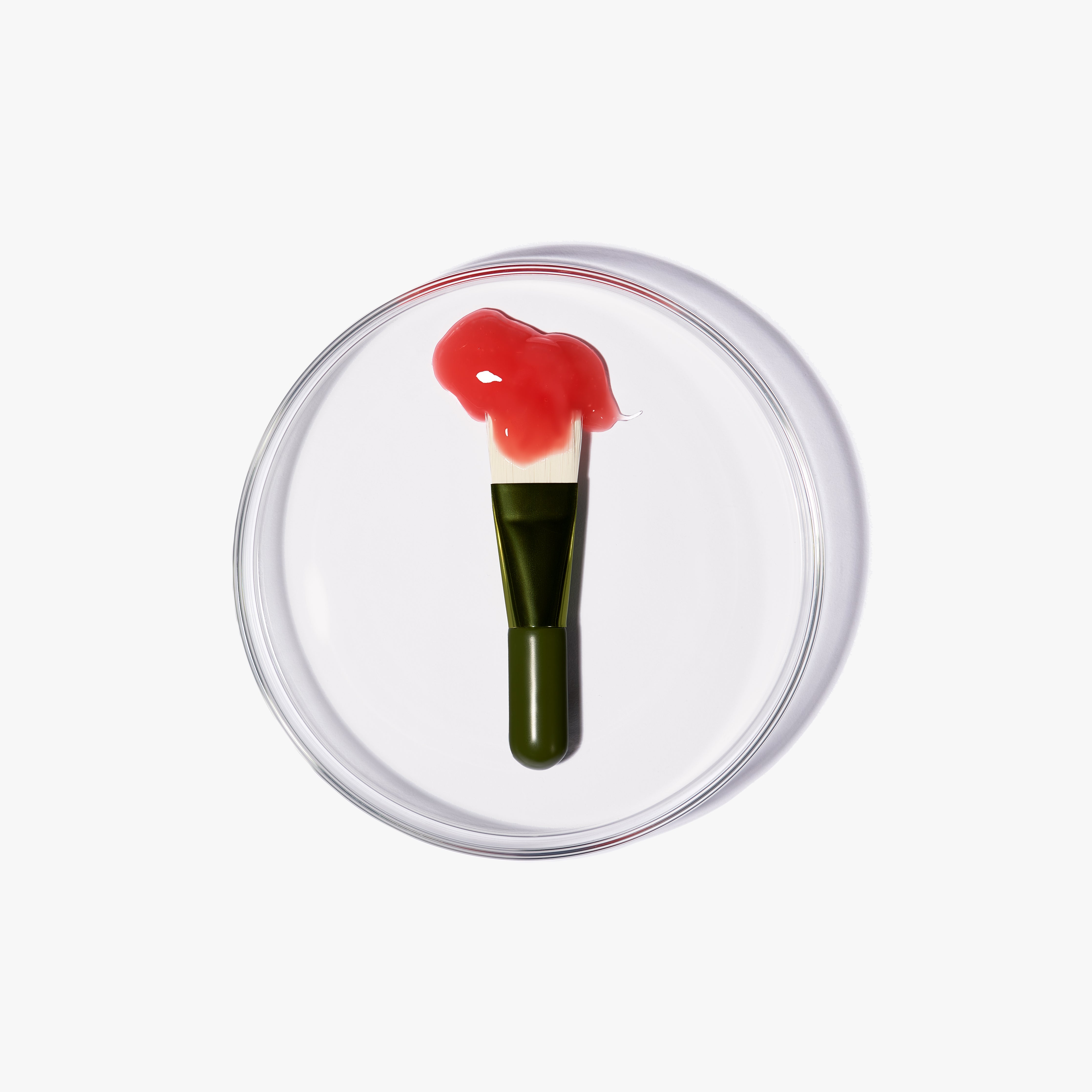
For your targeted treatment step, we recommend the Empris-Peony™ Biotic Resurfacing Night Serum. This silky serum is expertly designed to work on the appearance of discoloration while you sleep. Instead of a single active, it uses a sophisticated blend of ingredients that work together. It features Palmitoyl Tripeptide-38, a powerful peptide that helps skin look smoother and firmer. It also contains Hibiscus Sabdariffa Flower Extract, a gentle flower acid that exfoliates to reveal a brighter-looking complexion.

Pro-Tip: When introducing any new active, start low and slow. Apply your treatment serum three to four nights per week at first. As your skin adjusts, you can increase the frequency to nightly use.
How long does it take to see results? With consistent use, most people see a visible improvement in skin tone and texture within 8 to 12 weeks. Melasma is a chronic condition, so long-term use is key for maintaining your results. You can explore our full collection of powerful face essences and serums to find the perfect treatment for your skin.
Maximizing Your Melasma Results: Ingredient Synergy
Building a routine for melasma is like assembling a team of experts. Each ingredient should have a specific job, and they should all work well together.
A common question is: "Which is better, kojic acid or tranexamic acid?" They are both excellent brighteners, but they work in different ways. Kojic acid is a classic ingredient that targets a specific enzyme related to pigment. Tranexamic acid takes a more modern, multi-pathway approach by also addressing sensitivity and redness. You do not have to choose; they can be used in a comprehensive routine for enhanced results.
To get the most out of your routine, look for products that pair well with your main treatment.
- Niacinamide: This form of vitamin B3 is a superstar for supporting the skin barrier and improving the appearance of uneven skin tone. The Empris-Peony™ Biotic Resurfacing Night Serum already includes Niacinamide, giving you this benefit in your treatment step.
- Vitamin C: An essential antioxidant that helps defend skin against environmental stressors and brighten its overall appearance. Using the antioxidant powerhouse Vitamin C in your morning routine provides comprehensive support.
- Bioferments: Ingredients like lactobacillus ferment help to create a balanced environment on the skin. Using powerful actives requires you to support your skin microbiome to maintain a comfortable, resilient barrier.
What should you be cautious about? Avoid using multiple strong exfoliants in the same routine. For example, if your serum contains resurfacing acids, consider using other exfoliants, like a scrub or a high-strength peel, on alternate nights to prevent irritation. Always listen to your skin.
Build Your Complete Melasma-Conscious Routine
Achieving your skin goals is easier with a complete system. A pre-curated routine ensures every product works in harmony. It removes the guesswork and provides everything your skin needs to look its best while you focus on targeting melasma.
The Ultimate Microbiome Anti-Aging Routine is the perfect framework. It is designed to gently cleanse, hydrate, treat, and moisturize, creating an ideal environment for your skin to thrive.

Here is how each piece of this collection supports your goals:
- Step 1: Cleanse with Biome Balancing Creamy Cleanser. This soft, creamy cleanser lifts away makeup and impurities without stripping the skin. It is formulated with fine-milled Avena Sativa (Oat) Kernel Flour to leave skin feeling comfortable and calm.
- Step 2: Prep with The Biotic Glow™ Ferment Essence. After cleansing, this essence provides a layer of hydration. It contains Lactobacillus Ferment Lysate, a postbiotic that helps create a balanced environment for healthier-looking skin.
- Step 3: Treat with Empris-Peony™ Biotic Resurfacing Night Serum. As your nightly treatment, this serum does the hard work of visibly evening skin tone, smoothing texture, and renewing your complexion’s appearance.
- Step 4: Moisturize with Biotic Radiance-Boosting Hydrator. This oil-free, silky moisturizer is the final step. It delivers lightweight hydration with Squalane and contains more barrier-supporting bioferments to seal in your routine and keep your skin feeling comfortable.
A supportive routine is not optional when treating melasma—it is essential. By nurturing your skin's barrier and keeping it balanced, you create the perfect foundation for your treatment products to deliver their best results. Your skin will look calmer, brighter, and more resilient.