







A refreshing swim can be a highlight of your day. But afterward, does your skin feel tight, dry, or uncomfortable? Chlorine is excellent at keeping pool water clean, but it can be harsh on your skin, leaving it feeling stressed and depleted.
Understanding the signs of chlorine damage is the first step toward getting your skin back to a comfortable, balanced state. This guide will walk you through what to look for and provide a simple, restorative ritual for post-swim skin.
What Are the Signs of Chlorine Damage on Skin?
After you step out of the pool, your skin might send clear signals that it's unhappy. Chlorine strips away the natural oils that keep your skin soft and hydrated, leading to a few common issues.
You might notice:
- Excessive Dryness: Your skin may feel rough or papery to the touch. This happens because chlorine has removed its protective lipid layer.
- A Tight, 'Stripped' Feeling: Skin can feel uncomfortably taut, as if it’s a size too small. This is a sign of dehydration.
- Flaking or Peeling: You might see small, flaky patches, especially around your nose, mouth, and eyebrows as the top layer of skin loses moisture.
- Itchiness and Redness: Chlorine can be an irritant. For some, this shows up as a "chlorine rash," which looks like red, itchy patches or small bumps. This is often a form of contact irritation.
These signs can be more noticeable if you already have a sensitive condition like eczema. The drying effect of chlorine can make existing dryness and discomfort feel worse. Your skin is not just dry; it’s calling for balance and support.
The Unseen Damage: How Chlorine Disrupts Your Skin’s Microbiome
The visible signs of chlorine damage—dryness and redness—are just the surface of the story. The real issue goes deeper, to an invisible ecosystem on your skin called the microbiome. Think of it as a community of friendly microorganisms that live on your skin's surface.
A balanced microbiome is essential for a strong skin barrier. This barrier has two important jobs: it locks in moisture to keep your skin hydrated, and it keeps out potential irritants from the environment.
Chlorine is a powerful disinfectant made to eliminate microorganisms in water. Unfortunately, it can’t tell the difference between harmful pathogens in the pool and the helpful ones on your skin. When you swim, chlorine disrupts your skin's delicate microbiome, weakening its natural defenses.
A compromised skin barrier can no longer hold onto moisture effectively, which is why your skin feels so dry and tight after swimming.
This disruption is also why some skin conditions may feel worse after a swim. For those with rosacea, a compromised barrier and an unbalanced microbiome can be a trigger, leading to increased redness and sensitivity. The key to happy post-swim skin isn't just adding moisture back—it's about restoring the entire ecosystem.
A 3-Step Ritual to Neutralize Chlorine and Restore Your Skin
So, how do you neutralize chlorine and give your skin the soothing and reparative care your compromised skin needs? The solution is a gentle yet effective ritual focused on cleansing, treating, and soothing your skin.
Step 1: Gently Cleanse Immediately
The most important step is to rinse off as soon as you get out of the pool. Use fresh, lukewarm water and a mild, supportive cleanser to gently lift away chlorine residue without causing more irritation.
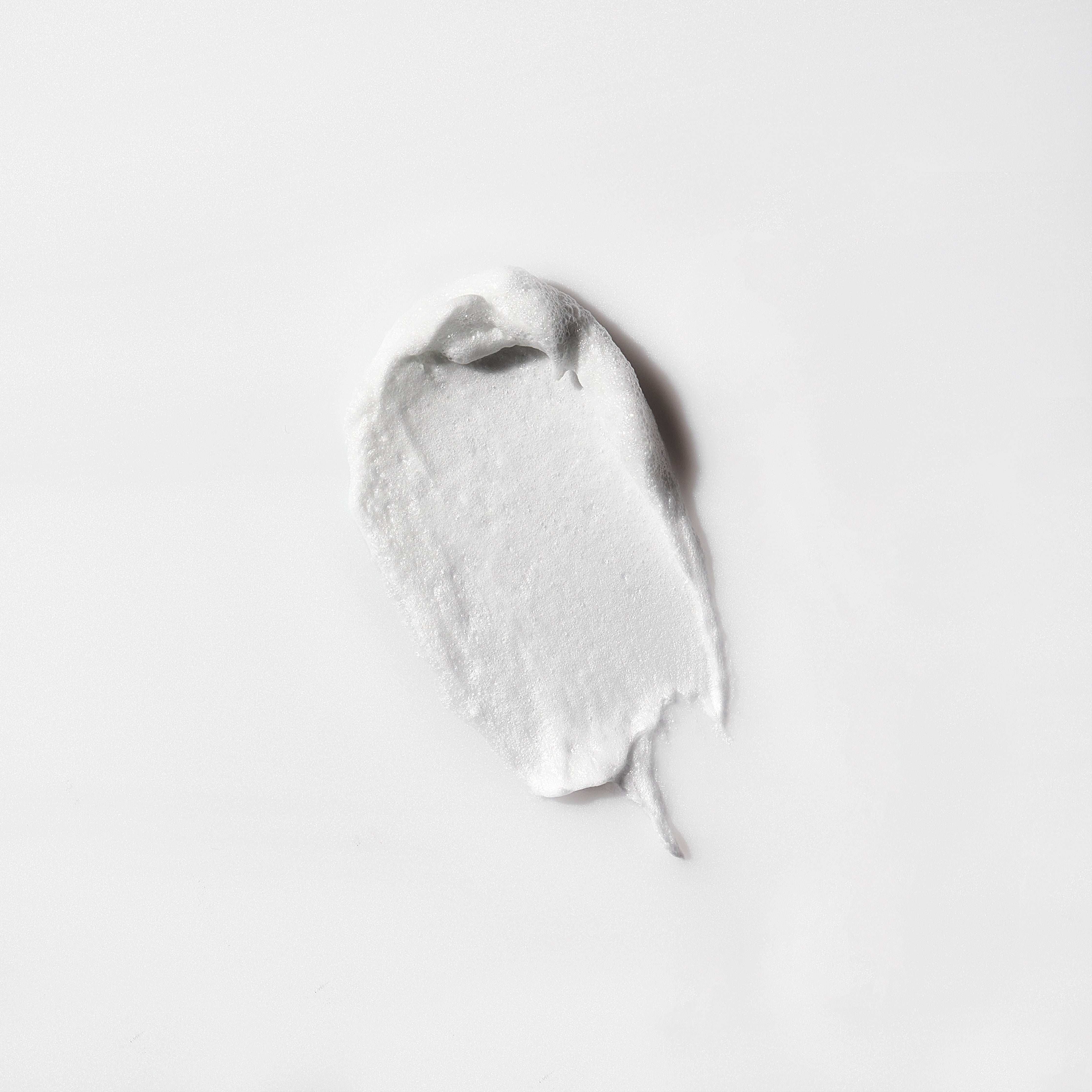
A soap-free, pH-balanced formula is ideal. We recommend the Biome Balancing Creamy Cleanser. This soft, milky cleanser is designed to respect your skin's delicate state. It has been verified as "Gentle on Microbiome," which is crucial for not stripping the skin further after chlorine exposure. Its formula features key ingredients that help comfort and support your skin, including postbiotics for fortifying your skin with postbiotics like Lactobacillus Ferment Lysate. It also contains Avena Sativa (Oat) Kernel Flour, a finely milled oat that is known for its skin-calming properties.

Step 2: Restore with a Weekly Treatment
Once or twice a week, give your skin an intensive reset. An exfoliating mask can help remove dull, flaky skin cells and deliver a surge of hydration. This step helps your other products work better and reveals a brighter, smoother-looking complexion.
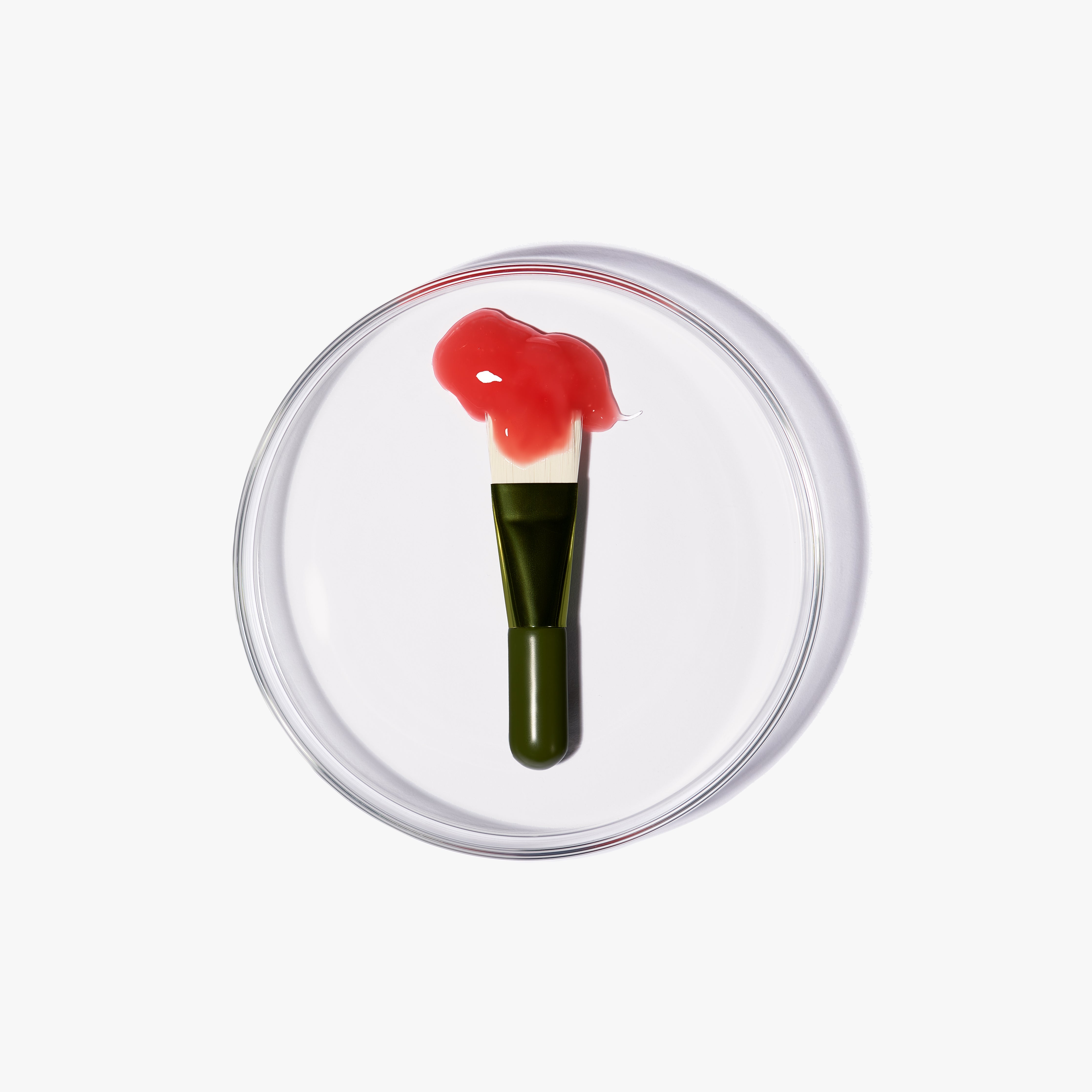
The (Glyco-Biotic)™ Ultra-Synbiotic Face Mask is a refreshing gel treatment that works to revitalize tired, post-swim skin. It uses gentle acids like Glycolic Acid to smooth skin texture and improve the appearance of uneven tone. At the same time, it contains supportive ingredients like Niacinamide to help the skin’s moisture barrier feel stronger and more resilient. The formula also includes ingredients known for their powerful soothing properties, such as aloe barbadensis leaf juice, making it a comforting choice for skin that feels stressed.

Step 3: Soothe and Seal with an Oil
After cleansing and treating, the final step is to replenish your skin’s lipid layer and lock in moisture. A facial oil is perfect for this, as it mimics the natural oils that chlorine washes away. This step calms the look of redness and leaves your skin feeling soft and comfortable.
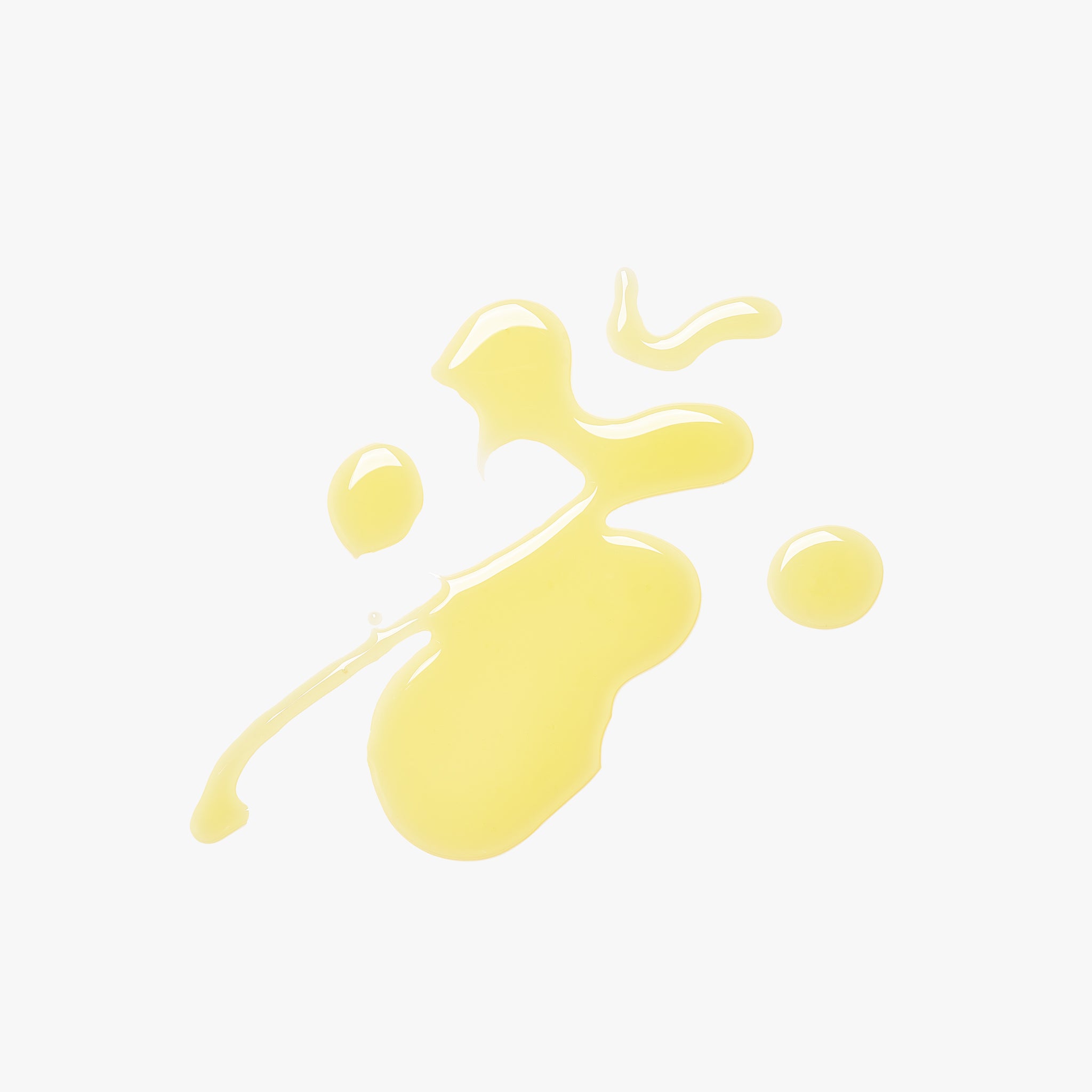
The Skin Soothing Face Oil is a lightweight, silky oil that provides instant comfort. It contains Squalane, a plant-derived hydrator that feels weightless on the skin, and Calophyllum Inophyllum (Tamanu) Oil, a rich, nourishing oil prized for its soothing abilities. Just a few drops pressed gently into the skin will help calm irritation, reduce the appearance of redness, and form a protective seal over your skin barrier.

As with any new addition to your routine, we recommend patch testing these products first, especially if your skin is feeling sensitive.
Proactive Care: How to Protect Your Skin Before You Swim
You can also take steps to protect your skin before you even get in the water. A little preparation can make a big difference in how your skin feels afterward.
- Create a Barrier: Before you swim, apply a thin layer of a simple, protective product. The Skin Soothing Face Oil can work here, creating a light shield between your skin and the chlorinated water.
- Rinse First: Take a quick shower with fresh water before you jump in the pool. When your skin and hair are already saturated with clean water, they absorb fewer chemicals from the pool.
- Hydrate from Within: Healthy skin starts from the inside. Make sure you are drinking plenty of water before and after your swim to keep your body and skin well-hydrated.
Beyond the Pool: Rebuilding a Resilient, Chlorine-Proof Barrier
Dealing with chlorine-damaged skin doesn't have to be a constant battle. The long-term solution lies in building a strong, resilient skin barrier that can better withstand environmental stressors.
A consistent skincare routine that focuses on biotic ingredients—pre-, pro-, and postbiotics—will help maintain a balanced microbiome. When your skin's natural ecosystem is thriving, its barrier is stronger. It becomes better at holding onto moisture and less reactive to things like chlorine, sun, and wind.
Instead of seeing swimming as a source of skin stress, you can see it as an opportunity for a restorative ritual. By cleansing gently, treating thoughtfully, and soothing deeply, you give your skin everything it needs to recover and thrive.
Ready to build a more resilient routine? You can explore our full range of microbiome-supporting skincare to find the perfect ritual for your skin.