
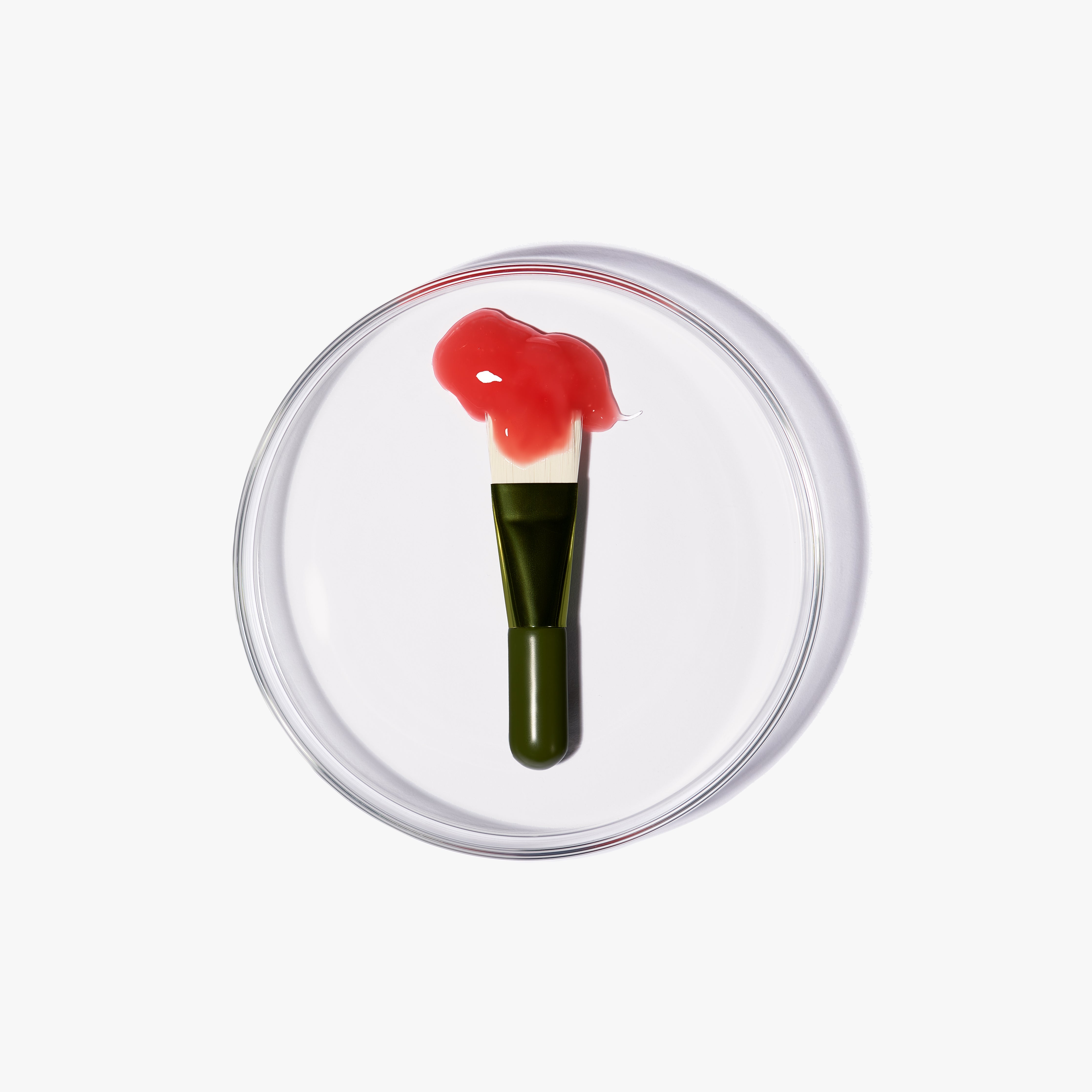





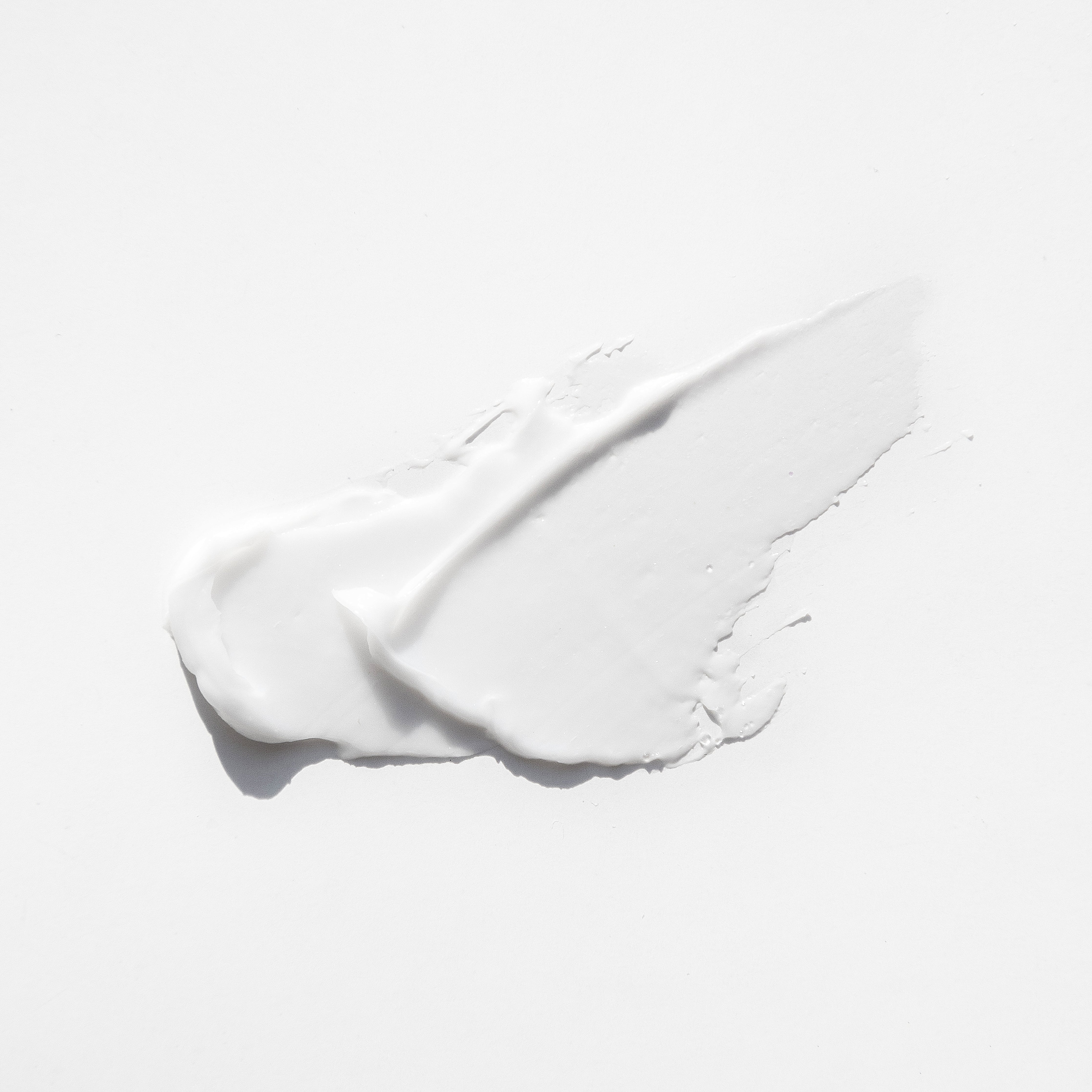

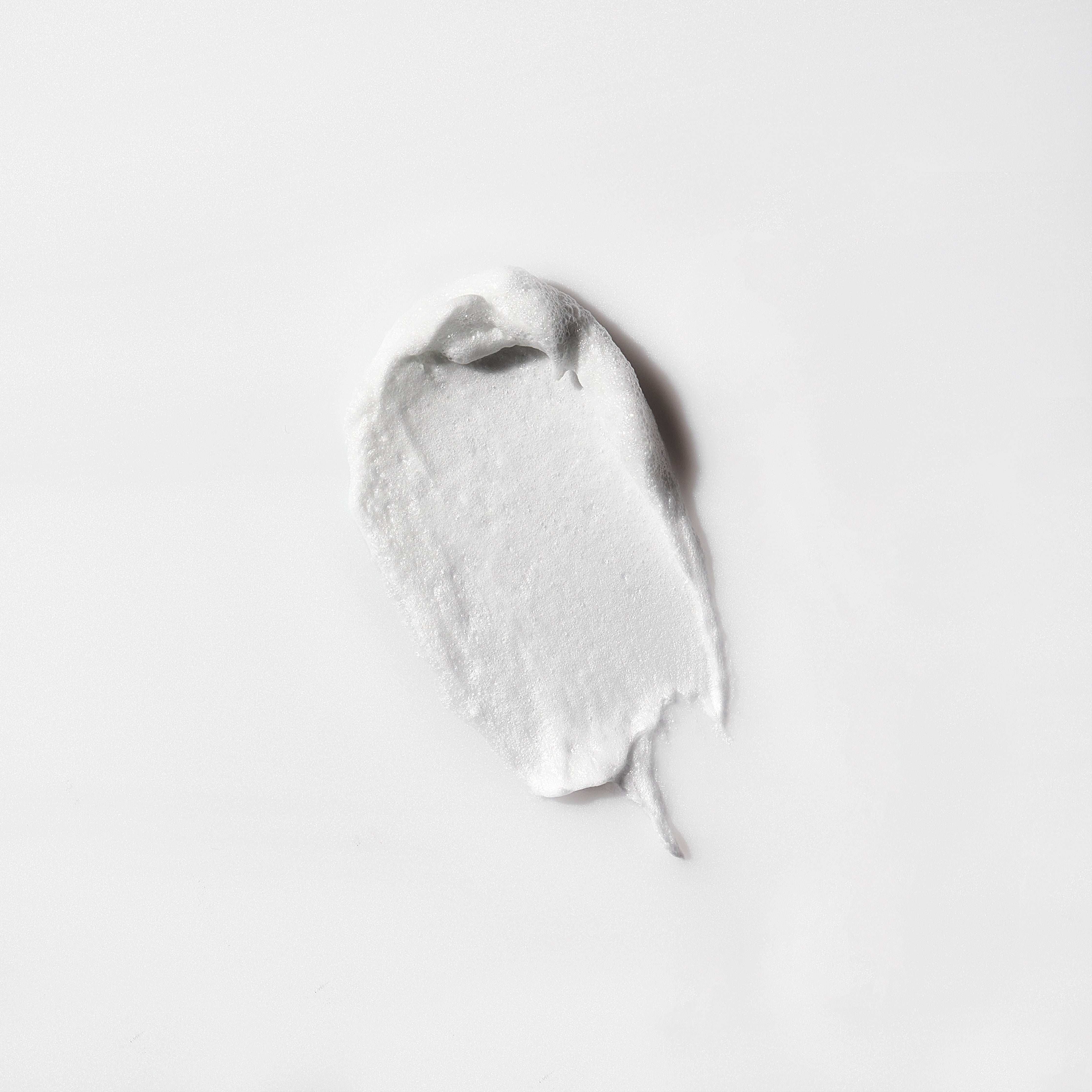


You stand before your vanity, holding two products. One is a creamy moisturizer. The other is a silky face oil. This raises a common but confusing question: which one goes on first? Online advice can feel contradictory, leaving you unsure of the best way to care for your skin.
Let’s clear up the confusion with one simple rule. For most skin types and routines, you should apply your face oil after your moisturizer. However, the true answer depends on your skin's unique needs and the specific products you use. This guide will explain the science of layering, so you can build a ritual that leaves your skin looking its absolute best.
Understanding Your Products: The Science of Hydration vs. Moisturization
To understand how to layer, we first need to know what each product does. Think of moisturizers and face oils as two specialists with different but complementary jobs.
Most moisturizers are emulsions, which means they are a mix of water and oil. Their main job is to provide hydration. Hydrators are ingredients that attract water and deliver it to your skin cells, making your skin look plump and feel comfortable. They often contain humectents that draw in moisture.
Face oils, on the other hand, are lipid-based. Their primary role is moisturization. They are made of emollient ingredients that help soften and smooth the skin’s surface. Many oils are also occlusive, meaning they form a fine layer on the skin. This layer helps to seal in moisture and prevent water from evaporating.
A simple way to remember the difference is that moisturizers add water to the skin, while oils lock that water in.
Think of it like watering a plant. The moisturizer is the water that nourishes the soil. The face oil is the layer of mulch you put on top to keep the soil damp and protected. This is why the order of application matters so much.
The Golden Rule: Why Oil Usually Comes Last
The most fundamental principle of skincare layering is to apply products from the thinnest to the thickest consistency. This generally means water-based products first, followed by oil-based products.
There's a scientific reason for this. Water and oil don’t mix. If you apply an occlusive face oil first, it will create a barrier on your skin. This barrier will prevent the water-based ingredients in your moisturizer from penetrating effectively. Your cream will simply sit on top of the oil, unable to do its job of hydrating your skin.
By applying your moisturizer first, you allow its hydrating ingredients to sink in. Then, when you apply a few drops of face oil, it acts as a sealant. This locks in all the hydrating benefits of your cream and supports your skin’s natural moisture barrier, which is essential for a smooth, radiant appearance. You can also look for moisturizers that contain rich, emollient properties of ingredients like Shea Butter to complement this process.
When to Break the Rule: Applying Oil Before Moisturizer
While applying oil after moisturizer is the standard, there are exceptions. This method is best for those with very dry, dehydrated, or compromised skin that needs an extra boost of nourishment.
In this scenario, a face oil can act like a targeted treatment serum. You would apply a few drops of a fast-absorbing oil onto cleansed, damp skin. Allow it to sink in completely for a minute or two. The oil provides a concentrated dose of lipids and emollients directly to the skin.
After the oil has been absorbed, you follow up with your moisturizer. The cream helps to seal in the oil and provides its own layer of hydration and nutrients. This "sandwich" technique can make skin feel more comfortable and supple. This method works best with "dry oils," which are lightweight and absorb quickly without leaving a heavy feeling.
Your Step-by-Step Layering Ritual for Maximum Glow
Creating a consistent ritual is the key to achieving your skin goals. Layering your products in the correct order ensures that each one performs at its best. Here is a sample routine for radiant, healthy-looking skin.
Cleanse: Start with a clean canvas. Use a gentle, pH-balanced cleanser that removes impurities without stripping the skin. The Biome Balancing Creamy Cleanser is a soap-free formula that is lab-certified with a "Gentle on Microbiome" award. It uses fine-milled Avena Sativa (Oat) Kernel Flour to gently cleanse while supporting the skin's moisture barrier.
Tone or Essence: After cleansing, apply an essence to damp skin. This step helps to balance the skin and prepares it to absorb the products that follow. The Biotic Glow™ Ferment Essence uses ingredients like Lactobacillus Ferment Lysate, a postbiotic, to support skin balance and improve the appearance of pores.
Apply Your Serum: Serums are concentrated treatments that target specific concerns. Whether you are focused on brightening, firming, or soothing, this is the time to apply it. You can learn about the proper way to layer other treatments like serums to customize your routine.
Moisturize: Apply your water-based cream to hydrate the skin. Dispense a small amount and gently massage it into your face and neck using upward strokes. This is your primary hydration step.
Seal with Oil: Once your moisturizer has absorbed, press 2–3 drops of face oil into your skin. This final step locks in moisture and leaves your skin with a soft, velvety finish.
Meet Your Perfect Pair: The Nuebiome Method
Choosing products designed to work together simplifies your routine. The Nuebiome method pairs a hydrating cream with a nourishing oil to support a balanced, glowing complexion.
First, apply the Biotic Radiance-Boosting Hydrator. This silky, oil-free moisturizer delivers instant hydration. It features Lactobacillus Ferment Lysate, a bioferment to support a balanced skin environment, and 3-O-Ethyl Ascorbic Acid, a stable form of Vitamin C that helps improve the look of dullness. The lightweight texture sinks in beautifully, leaving skin feeling plump and refreshed.

Next, seal it all in with the Skin Soothing Face Oil. This comforting oil is designed to nourish and calm the skin's appearance. It combines rich Calophyllum Inophyllum (Tamanu) Oil with plant-derived Squalane, a lightweight emollient that mimics skin’s natural lipids. Just a few drops are enough to lock in moisture and support your skin barrier, leaving it feeling soft and supple.

To take the guesswork out of layering, the Barrier Boost Moisture Rescue Set offers a complete, curated ritual. It includes the Biome Balancing Creamy Cleanser, The Biotic Glow™ Ferment Essence, the Biotic Radiance-Boosting Hydrator, and the Skin Soothing Face Oil. This four-step system is scientifically formulated to work in harmony, helping you achieve a visibly radiant and balanced complexion.

Frequently Asked Questions
Still have questions? We have answers. For more information, you can always find answers to other common skincare questions on our site.
Can I mix my face oil directly into my moisturizer? Yes, this is a great shortcut, especially on busy mornings. Simply mix 2–3 drops of face oil into a dollop of your moisturizer in your palm before applying. This gives your cream a nourishing boost and saves you a step.
How much face oil should I use? A little goes a long way. For most people, 2–3 drops are enough to cover the entire face and neck. Warm the drops between your palms and gently press them into your skin. You can explore our collection of luxurious face oils to find your perfect match.
Should I use face oil in the morning or at night? You can do either! Many people prefer to use face oil at night as the final step in their routine, allowing it to work while they sleep. If you use it in the morning, make sure to apply it before your sunscreen. Sunscreen should always be the absolute last step in your skincare routine.
Is face oil good for oily skin? Yes, it can be. It may seem counterintuitive, but the right face oil can help balance oily skin. When oily skin is stripped of its natural oils by harsh cleansers, it can overproduce sebum to compensate. Using a lightweight, non-comedogenic oil can signal to your skin that it has enough moisture, helping to balance its appearance. Always remember to patch test a new product, especially if you have sensitive skin, and consult a professional if you have concerns.
By understanding the roles of your moisturizer and face oil, you can layer them correctly and unlock their full potential. Now you are ready to start building your ideal skincare ritual for a complexion that looks and feels its best.
Further Reading
When selecting products, you may want to look for nourishing plant-based emollients like Argania Spinosa Kernel Oil for added benefits.