







For centuries, fermented rice water has been a celebrated beauty ritual. Originating in Asia, this simple liquid is known for containing nutrients that can support the appearance of brighter, smoother skin. It is rich in vitamins, minerals, and skin-firming amino acids like glycine.
The appeal is easy to understand. People are drawn to its natural origins and the promise of a radiant complexion. The goal is often to achieve a softer texture and a more even-looking skin tone. While some use rice water for hair growth, its use in skincare remains incredibly popular.
But is a homemade preparation the best way to get these benefits? Let's explore the traditional method and then look at it from a fermentation expert’s point of view.
The Ancient Ritual: What is Fermented Rice Water and Why Is It Popular?
Fermented rice water is the cloudy liquid left over after soaking rice. The fermentation process happens when the water is left to sit, allowing natural yeasts and bacteria to develop. This process is thought to create beneficial compounds.
Users hope that applying this liquid will:
- Improve the skin’s brightness.
- Help skin feel smoother.
- Support a clear, even-toned appearance.
The logic is that fermentation can unlock more of the rice’s natural goodness. However, the process is more complex than it seems.
How to Make Fermented Rice Water: The Basic DIY Method
If you are curious about the traditional method, here is a simple guide. This process directly addresses the popular search for a DIY recipe.
You Will Need: - 1/2 cup of uncooked rice (any kind will do) - 2 cups of distilled water - A clean glass jar with a lid - A strainer
Step-by-Step Instructions:
- Rinse the Rice: Place the rice in a bowl and rinse it once with water to remove any surface impurities. Drain this water away.
- Soak the Rice: Put the rinsed rice in your clean glass jar. Add the 2 cups of distilled water and stir.
- Let It Sit: Loosely cover the jar and let it sit at room temperature for 12 to 24 hours. The water will become slightly cloudy and may have a faintly sour smell. This is the fermentation process.
- Strain and Store: After 24 hours, strain the liquid into a clean container. Your fermented rice water is now ready. It should be stored in the refrigerator and used within a few days.
This simple recipe satisfies the "how-to" question, but it also comes with significant hidden risks.
A Fermentation Expert's Analysis: The Hidden Risks of DIY Rice Water
Making skincare at home can feel empowering, but it lacks the safety controls of a professional lab. The “fermentation” that happens on your counter is an uncontrolled process. It is more accurately described as souring.
Here are the key risks to consider:
- Uncontrolled Microbes: When you leave rice and water out, you invite any and all bacteria and mold from the air to grow. You have no way of knowing if the microbes growing in your jar are beneficial or harmful to your skin.
- Unstable pH: Healthy skin has a slightly acidic pH. A DIY ferment can have a wildly unpredictable pH level that may be too low or too high. Applying a product with the wrong pH can disrupt your skin’s moisture barrier, leading to discomfort and sensitivity.
- Rapid Spoilage: Without preservatives, your homemade rice water will spoil quickly, even in the refrigerator. Applying spoiled products can introduce unwanted bacteria to your face, leading to skin issues.
Using uncontrolled, homemade ferments on your skin is a gamble, as you can't be sure what is actually growing in your jar.
Wild Fermentation vs. Cosmetic-Grade Biotics: What's the Difference?
There is a world of difference between a DIY ferment and a cosmetic-grade biotic ingredient. Professional formulation is a precise science designed for safety and results.
DIY Wild Fermentation - Process: Uncontrolled souring at room temperature. - Cultures: Uses unknown "wild" yeasts and bacteria from the environment. - Outcome: Inconsistent product with unknown compounds and a high risk of contamination. - Safety: Not tested, pH is unstable, and it spoils quickly.
Cosmetic-Grade Bio-Fermentation - Process: Takes place in a sterile, controlled lab environment. - Cultures: Uses specific, purified starter cultures to create targeted ingredients. - Outcome: A consistent, pure ferment with a high concentration of beneficial postbiotics, enzymes, and the benefits of nourishing prebiotic sugars for your microbiome. - Safety: Stabilized, pH-balanced, and rigorously tested for safety and purity.
This is why Why many skincare enthusiasts are turning to professionally formulated ferment essences. They offer all the desired benefits without the risks.
The Nuebiome Alternative: Experience the Power of Safe Fermentation
Instead of guessing with a DIY recipe, you can experience the proven power of controlled fermentation. Nuebiome products are formulated with advanced biotic ingredients to deliver consistent, visible results safely.
For those seeking the brightening and smoothing effects of fermented rice water, The Biotic Glow™ Ferment Essence is the ideal professional alternative. This silky, alcohol-free liquid is designed to refine the look of pores and boost radiance. It uses Lactobacillus Ferment Lysate, a carefully created biotic ingredient, to deliver nutrients. It also contains Glycolic Acid, a gentle exfoliant that helps to reveal brighter, smoother-looking skin.

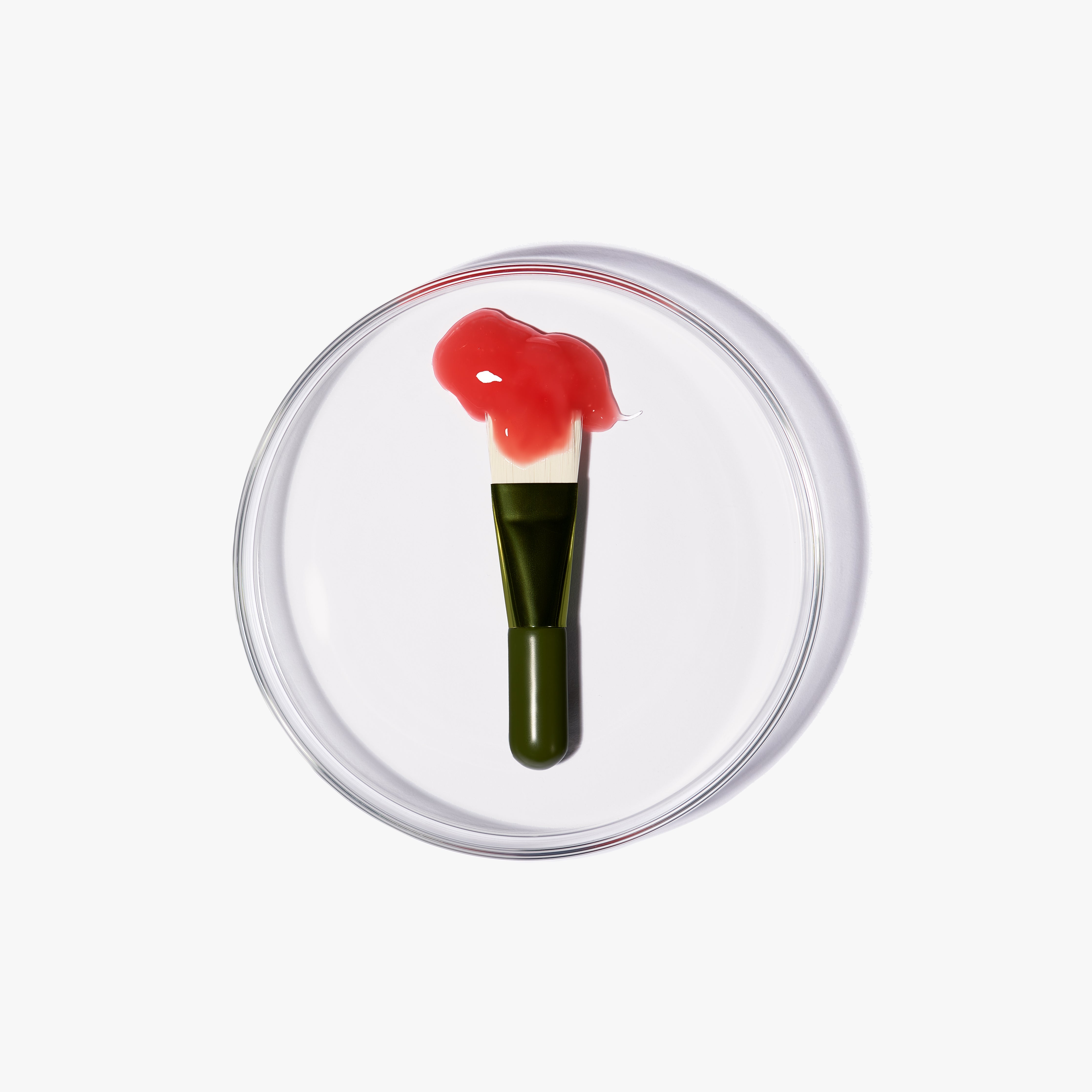
If you prefer a treatment mask, the (Glyco-Biotic)™ Ultra-Synbiotic Face Mask offers a concentrated dose of exfoliating and brightening power. This gel mask is a powerful weekly treatment for dullness and uneven texture. It features Glycolic Acid for surface renewal and Niacinamide to improve the look of skin tone and pores. Like many of our products, this mask is certified "Gentle on Microbiome," ensuring it works in harmony with your skin.

How to Incorporate a Ferment Essence into Your Skincare Routine
Adding a ferment essence to your routine is simple. It acts as a primer for the rest of your skincare, helping your skin feel hydrated and prepared for the products that follow. For a complete approach to supporting your skin, you can use products from the Ultimate Microbiome Anti-Aging Routine.
Here is a simple four-step guide:
- Cleanse: Start with clean skin. The Biome Balancing Creamy Cleanser is a pH-balanced, soap-free formula that lifts away impurities without stripping the skin. Its "Gentle on Microbiome" badge signifies its supportive nature.
- Apply Essence: Dispense a few drops of The Biotic Glow™ Ferment Essence into your palms. Gently press the essence onto your face and neck. Do not rinse.
- Help care for with a Serum: After the essence has absorbed, apply a targeted serum. For deep nourishment, the Plum Botanical Serum offers a soft cushion of hydration from cold-pressed oils.
- Moisturize: Lock in hydration with a moisturizer. The Biotic Radiance-Boosting Hydrator is a silky, oil-free cream that leaves skin feeling firm and looking luminous.
This complete routine provides layers of hydration and biotic support, helping your skin look and feel its best. Always remember to patch test new products, especially if you have sensitive skin.

Frequently Asked Questions
What happens when you leave rice water on your face overnight? Leaving DIY rice water on your face overnight is not recommended. Because it is unstabilized, it can encourage unwanted bacterial growth on your skin and may cause irritation. For overnight renewal, it's safer to use a product designed for that purpose, like the Empris-Peony™ Biotic Resurfacing Night Serum. This award-winning formula, named "Best Overnight Treatment" in the Cosmopolitan Clean Beauty Awards 2024, gently exfoliates and hydrates while you sleep.
How long can I ferment rice water? For a DIY preparation, you should not ferment rice water for more than 24 hours. After this point, the risk of harmful bacterial growth and spoilage increases significantly. In contrast, professional fermentation is a precise scientific process that can take days or weeks under sterile conditions to create a stable, safe, and effective ingredient.
Is DIY fermented rice water better than plain rice water? Fermentation can create more nutrients, but a DIY ferment also introduces significant risks. Plain, freshly made rice water is less potent but also less risky. Professionally formulated biotic skincare offers the best of both worlds: the enhanced benefits of fermentation without any of the safety concerns of a homemade product.
To learn more about our science and formulations, explore our complete collection of microbiome-friendly skincare or find answers to other common questions on our FAQ page.